Category: Articles
-

The Difference Between Whole-Group Consensus and Dynamic Governance/Sociocracy
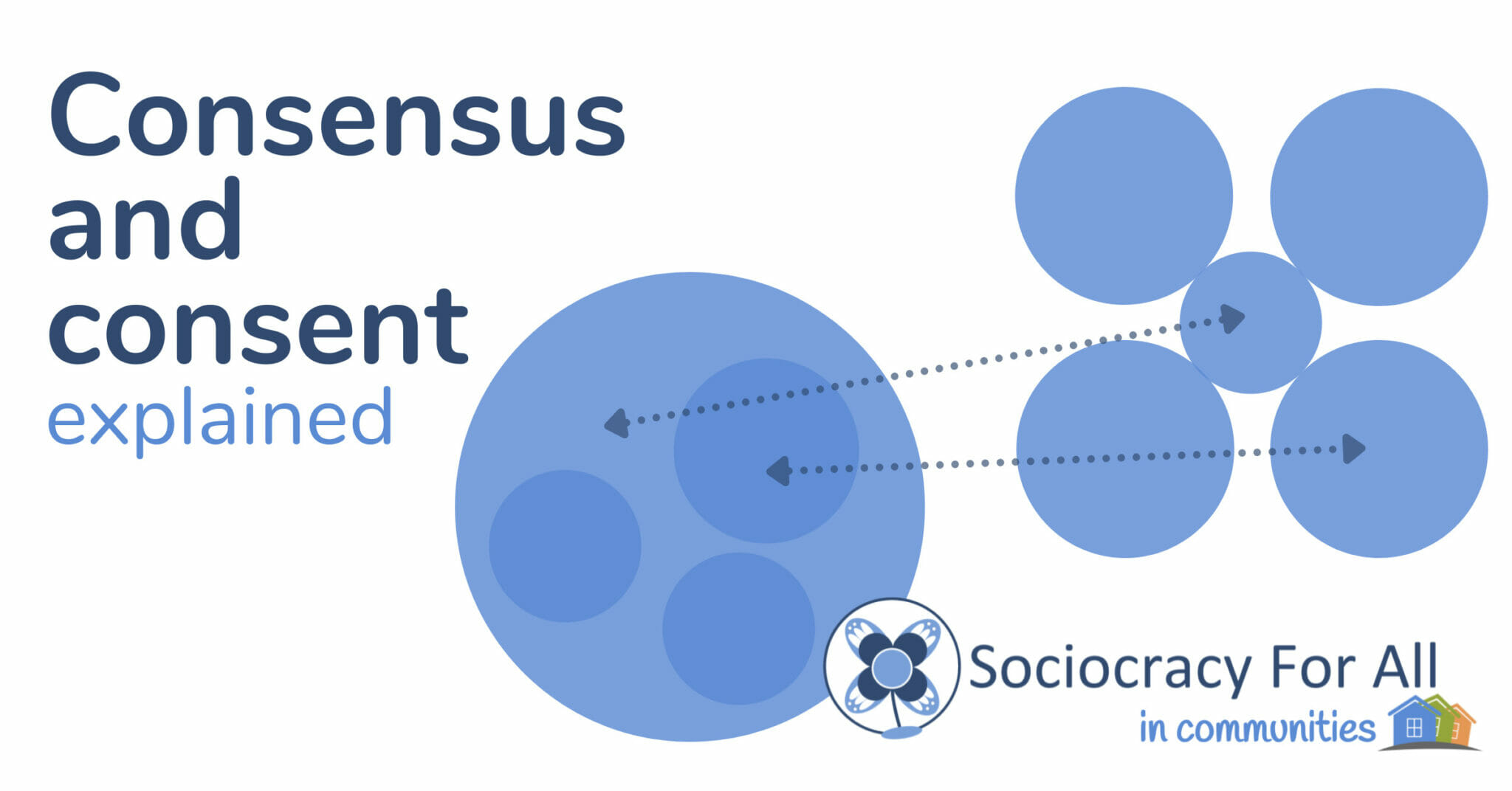
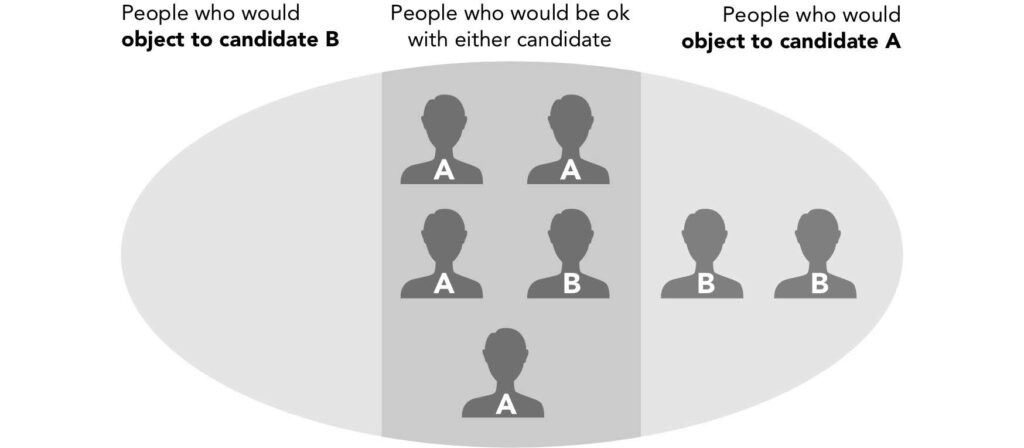
A recurring question in our teaching is to describe the difference between consensus and consent, and between whole-group consensus and Dynamic Governance (sociocracy) used in a community or a cooperative. For simplicity, I will show the difference at the example of a community. To give people a good image of the situation, let’s picture two…
-
Let’s Decide Together! Book Launch
Let’s Decide Together! is an accessible workbook for anyone interested in practicing sociocracy with children. Readers can use this book to make more values-aligned, egalitarian, and inclusive decisions together with children in the home, at school, clubs, neighborhood groups, or in any group where adults and children are empowered to decide together. In this webinar,…
-
Collaboration Shapes Education and Young Leaders
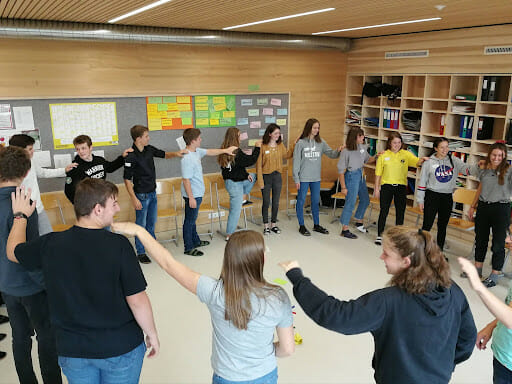
by Lisa Praeg Strengthen youth leadership – Open election of class representatives as initiative Do you remember the last time you participated in a democratic election? What did you feel when you put down your vote? Have you been elected, or was someone elected for whom you didn’t vote? A reflection with a class of…
-
What is a Help Desk?
After using sociocracy “by the book” for years and very successfully, we have started to introduce a new concept: a Help Desk circle. It introduces a small but extremely powerful nuance in what circles are and how we can decentralize decisions and operations while empowering everyone in the organization in moving things forward that they…
-
-
Power
Let’s take care of the power, that we can take care of ourselves → This article about power is part II of the series “Hints Towards a Liberation Sociocracy”. Read part I: ‘Otherness’. “No one liberates anyone, nor does anyone liberate himself alone. People liberate themselves in communion.” Paulo Freire, Pedagogy of the Oppressed Let…
-
5 Strategies for Combining Equity with Sociocracy
The key promise of sociocracy is that all voices matter. In reality our current sociocracy practices are not enough to overcome the way society systemically oppresses the voices of people from poor, non-white, transgender, disabled, et cetera, backgrounds. In this article I define equity, make an argument for why combining equity and sociocracy is so…
-
Robert’s Rules and Sociocracy: A Comparison
The word democracy comes from the Greek “demos”, and is the shared rule of the people. The original meaning of democracy is a very large umbrella, of which majority rules is only one subset. Sociocracy, on the other hand, derives from “socios,” and means “the rule of the associates.” Sociocracy is one form of democracy…
-
Self-Organization – a leap into the unknown
There are organizations, and in them people, who will never see the value in involving employees in shared governance. There are those who, although they feel the growing discomfort of working ‘in the old way’, remain full of fears and doubts about the incomprehensible concept of self-organization.
-
Hager Homestead Case Study
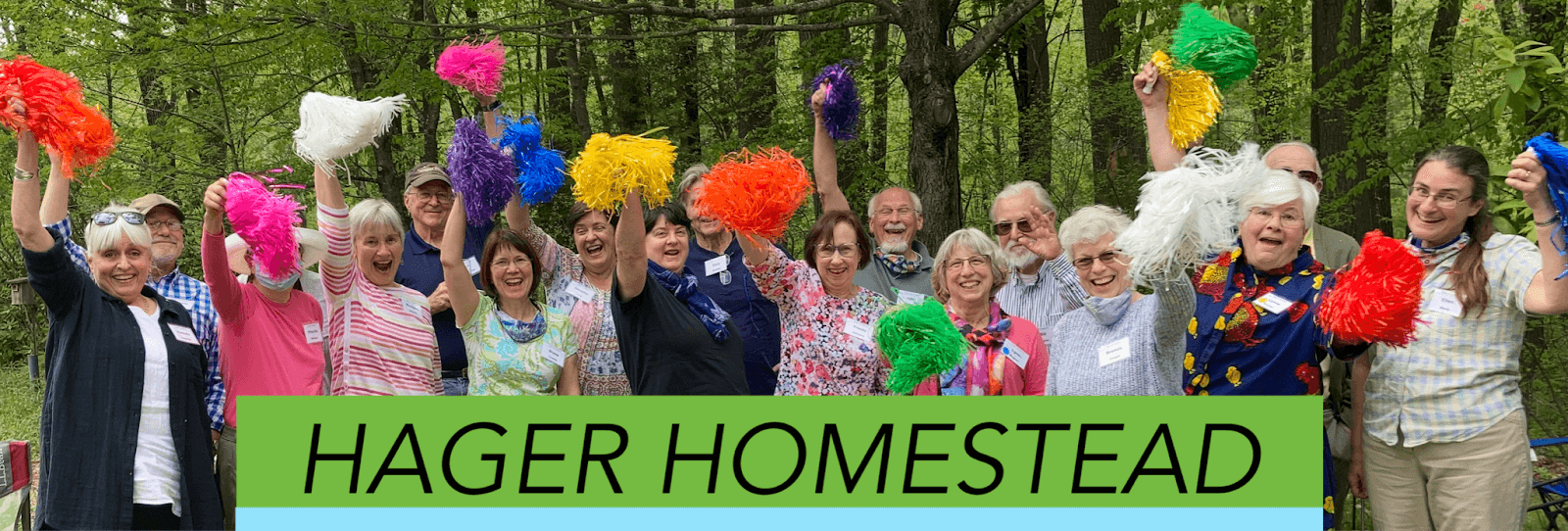
Hager Homestead is a community in Littleton, Massachusetts (United States) working to form the first 55+ cohousing community in New England.