Category: Uncategorized
-

5 Ways you’re already using restorative practices
—
by
5 Ways you’re already using restorative practices and how to become even more restorative when using sociocracy “Don’t tell anyone else we’ve trained, but this is by far the most restorative school I’ve ever seen.” I was shocked to hear that from the restorative practices trainer who visited our school. At the time,…
-
Governance: the language of collaboration
What can natural languages teach us about self-governance? The language of collaboration: When two humans talk, they use language to make sense of the world and to connect. Governance is the language of groups to connect and to get things done. Language works in all kinds of ways: People use language to describe the world…
-
How could Sociocracy help us reinvent our world in a context of complexity?
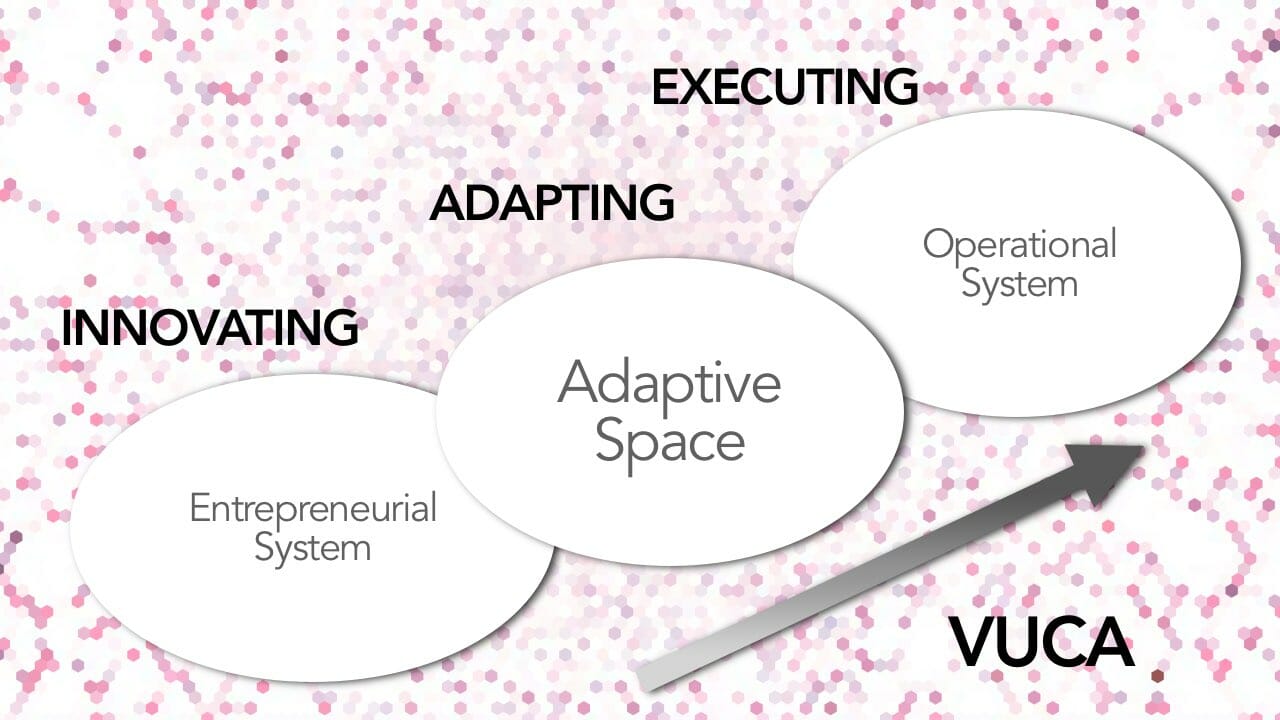
Never had there been so much complexity in our world, even before Corona. Running organisations was proving increasingly difficult due to the complexity they were operating under. Partly this was because the methods we were using were never designed to run organisations in complexity. Leadership in complexity requires a completely different set of tools from…
-
Sociocracy in large groups?
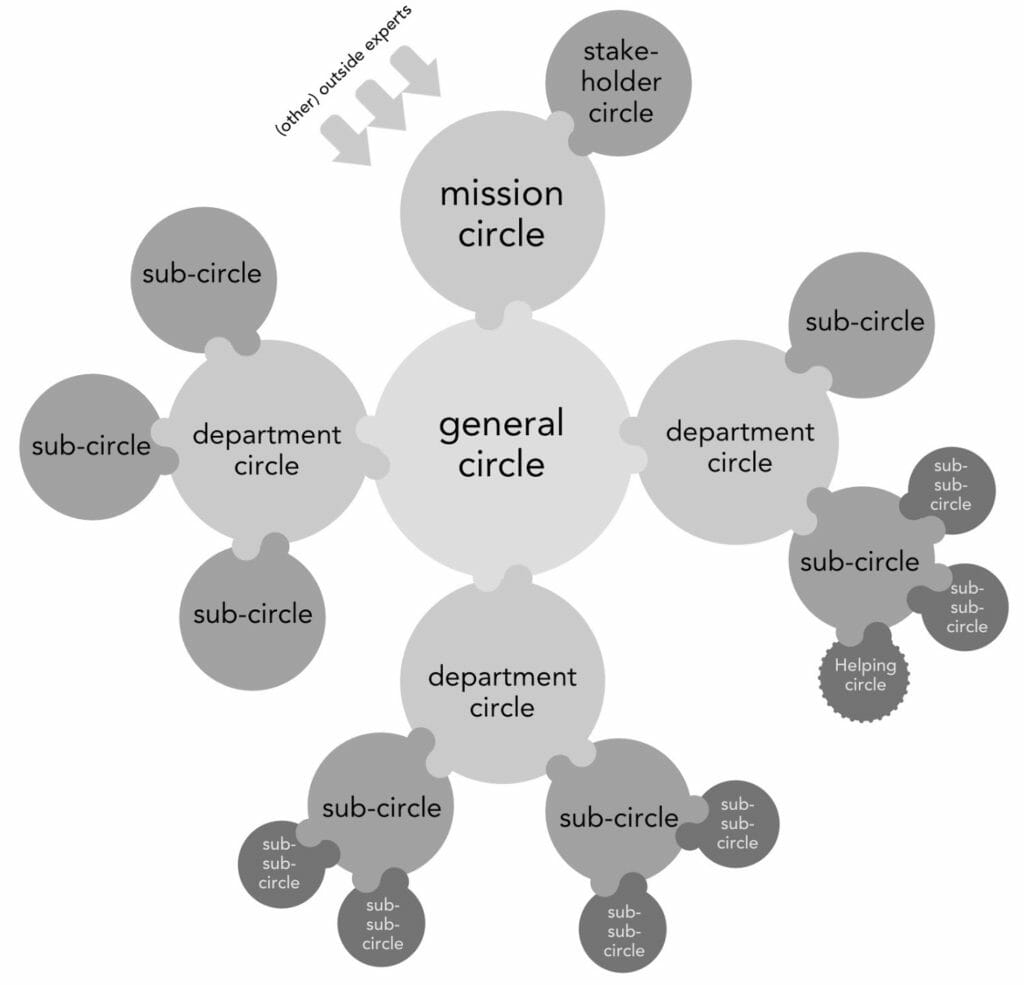
Sociocracy was developed with small groups in mind. When and how can we apply it to large groups?
-
What I learned about sociocracy in crisis mode
Are sociocratic organizations more responsive than top-down hierarchies? Read a case study of two sociocratic organizations – a community and an NGO workplace – and their responses to the covid crisis.
-
Relationship magic
Sometimes people tell me that what sociocracy does to groups is “magic”. I agree that it’s not uncommon that people who had never met before create meaningful connection and deeply care about each other already after a few meetings. I am assuming rounds contribute most to the bonding that we see. Yet, I don’t think…
-
You only need _________ to fix how organizations are run
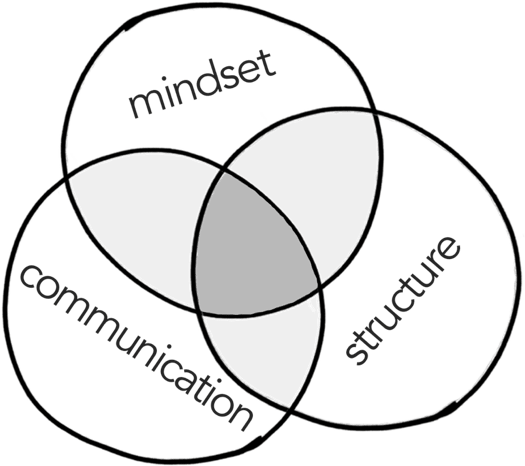
What do new organizations need? Better structure, better mindset, better communication?
-
The Ostrom Principles and Sociocracy
This blog post connects sociocracy, a participatory governance system, to the Ostrom principles for sustainable governance of CPR (common-pool resources). Sociocracy and Ostrom’s principles share very basic values and observations, which makes sociocratic governance a perfect fit for CPR governance.