Flexibility and Flow
An online sociocracy conference for practitioners
May 7 2026, – but you can still buy access to the recording!
This conference brings together sociocracy practitioners across different sectors, locations, and walks of life to share implementation stories and learning from practice to support a stronger movement.
Having vision matters.
And practice matters.
Because vision become reality when vision and world join and possibility meets practice.
If we all share what we’ve learned, we all can improve our practice, advance our skills and support each other in living into a new way of relating and collaborating with each other.
Tickets for the sociocracy conference – watch all presentations on your own time.
The suggested price is USD 45.
The minimum is $20. If that is too high and prevents you form participating, please email [email protected].
If you can, please support us by buying a supporter ticket!
Program
The sociocracy conference at a glance
PT = Pacific (Seattle)
ET = Eastern (New York)
CET = Central Europe (Paris)
Note: all talks are recorded, and people who are registered can watch them instantly; they will stay available for about 3 months.
WELCOME
6.00 am PT | 9.00 am ET | 15:00 CET
Ted Rau, Jerry Koch-Gonzalez, Rhonda Baird
Welcome – and happy 10th birthday, Sociocracy For All!
🎂 🎂 🎂 🎂 🎂 🎂 🎂 🎂 🎂 🎂
SLOT 1
- Bernadette Wesley. Meaningful Growth Through Shared Leadership
- Kåre Wangel. Is Sociocracy Indigenous Governance?
- Heinz Feldmann. Consent-Decision Freestyle and Short-Cuts
SLOT 2
- Elandriel Lewis. Implementing Sociocracy for Collective Impact
- Elise Kissling. Sociocracy meets strategy – Why, when and how
- Alex Rodríguez. Going Off Book: When It’s Good To Break the Rules
- Shala Massey, Linda Civallero, Dr. Assata Richards, Tamika Evans. A Health Commons Case Study
- Emma Wolf, Sora Gundling. All In on Sociocracy: Lessons from Fully Implementing It in a Nonprofit
- Elandriel Lewis, Tania Melick. Between Domination and Disengagement: The Impact of Power-Within and Humility in Sociocracy:
Meetups, hosted conversations, show and tell, participatory activities,
This includes some show and tell on new and exciting IT tools for sociocracy!
- Reinventing the Logbook (Florian Bauernfeind)
- Synchrony: software for doing Sociocracy (Derek Laventure and team)
- Jan Scholl. One Year In: Implementing Sociocracy in a Small Film Production Company
- Jay Gregory. Solarpunk Solstice & Sociocracy
- Audrée Morin. Enhancing Collaboration with Neurosciences
SLOT 5
- Sarah Schulman. Experiments blending design methods and sociocracy
- Stefani Danes. Rachel Carson EcoVillage’s Journeys in Sociocracy
- Panel (Michelle Tsutsumi, Frieda Nixdorf, Leander Roth). Structures that Support Patterns of Grounding and Co-Regulation
- Lindsay Harris, Cheryl Gladu. Implementing sociocracy at a new housing cooperative that is scaling for growth
- Leander Roth, Kate “Sassy” Sassoon. Organizational Murmuration: Adapting to Shifting Capacity
- Michael James. Your Circle Has Unmet Needs: Prioritizing Access
CLOSING
Closing and celebration
Speaker and topic info
SLOT 1
Meaningful Growth Through Shared Leadership
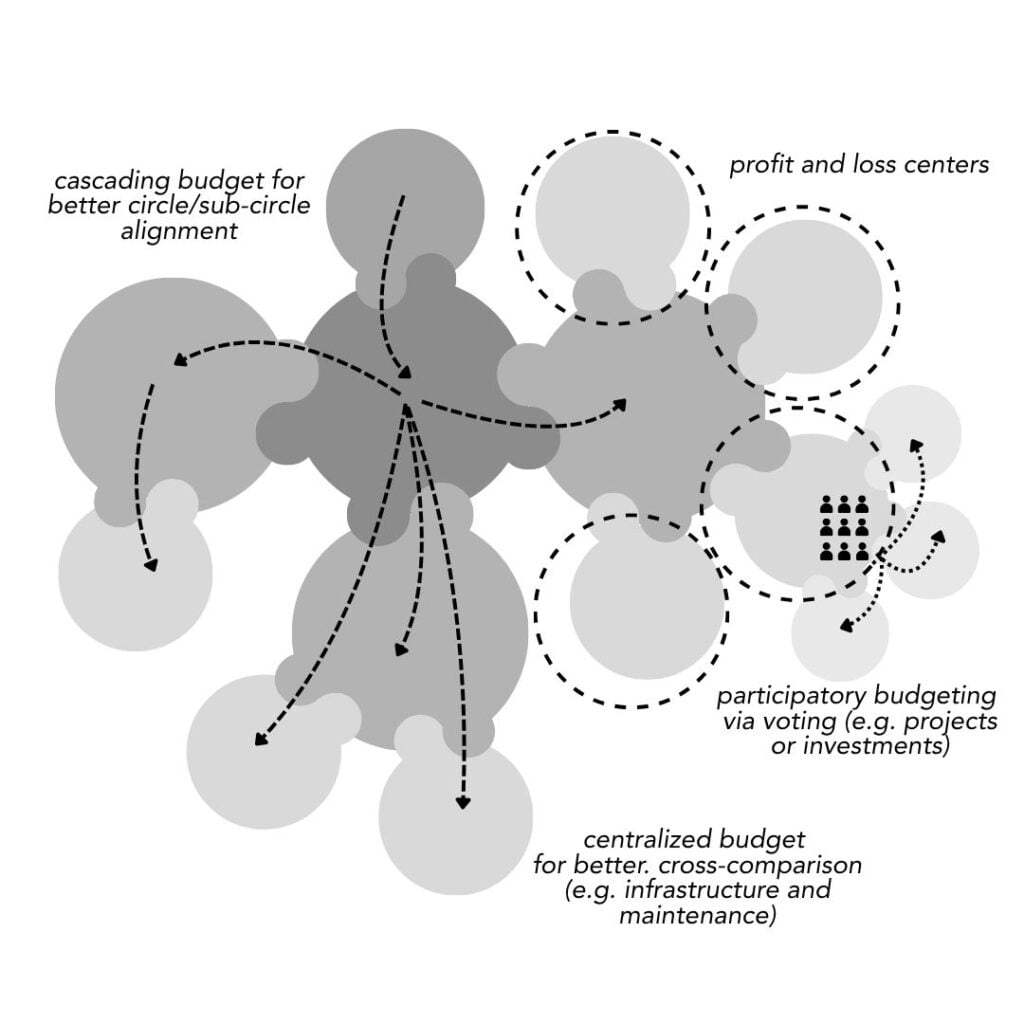
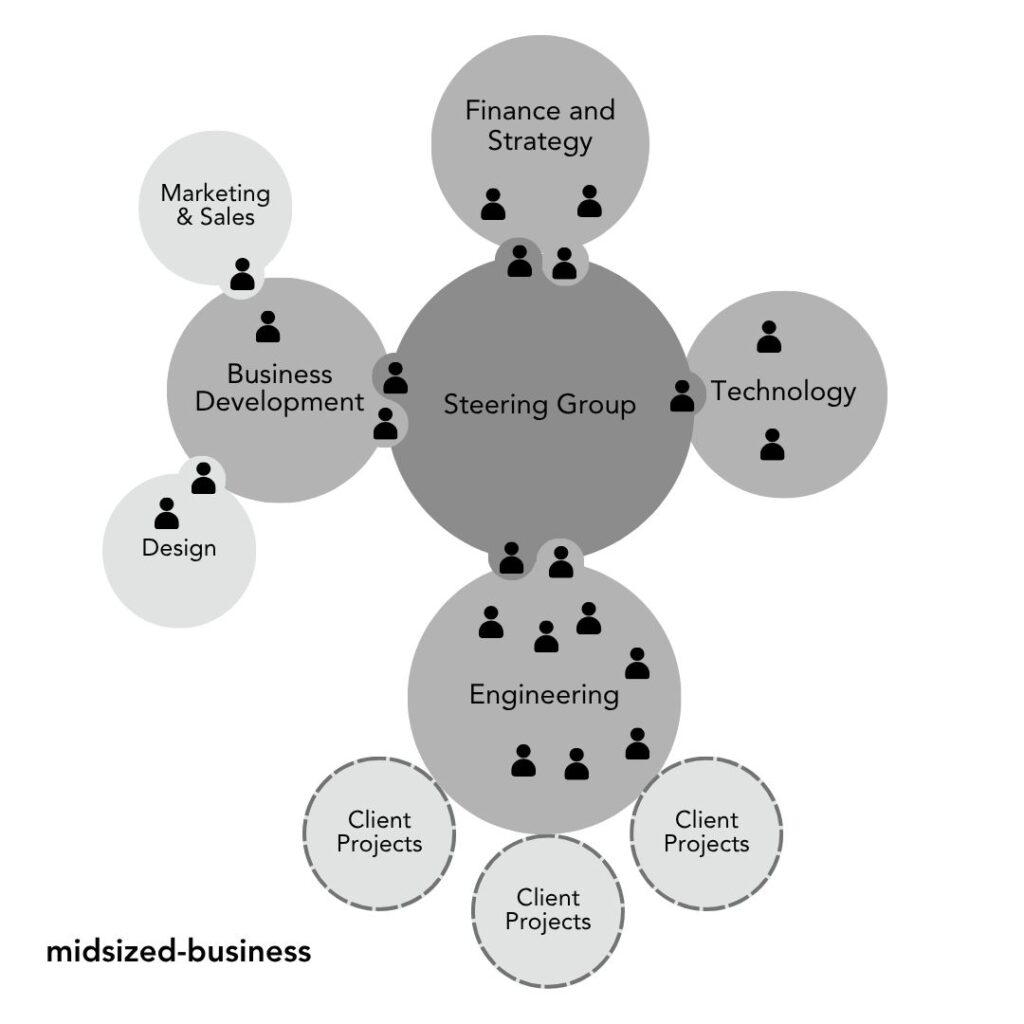
Join us for real implementation stories from the field. How did we start? What did we learn along the way? What would we do differently? As a tech company with deep experience in self-management and a human-centered culture, Agile Six still found that implementing Sociocracy challenged us in unexpected ways. In this session, we’ll share key learning moments from our journey—where we needed to be flexible and when we needed to flow.
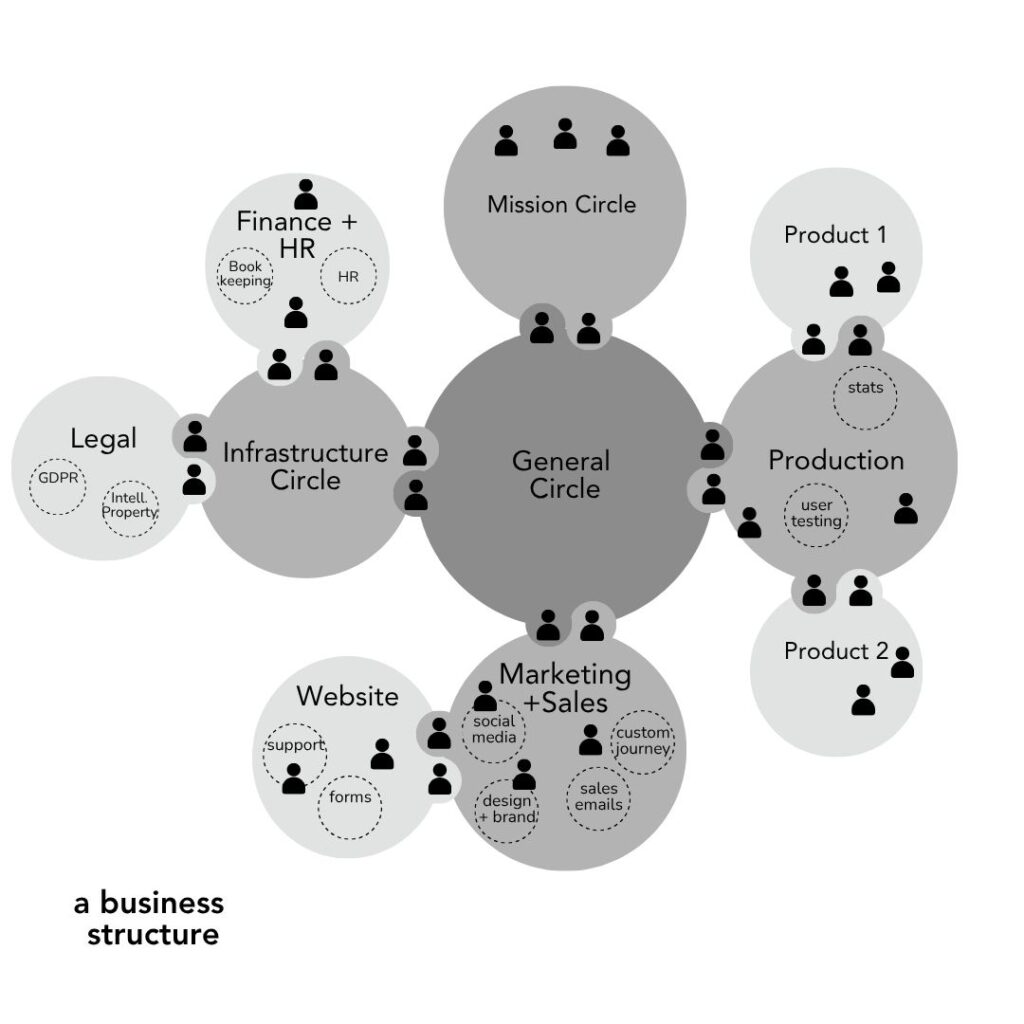
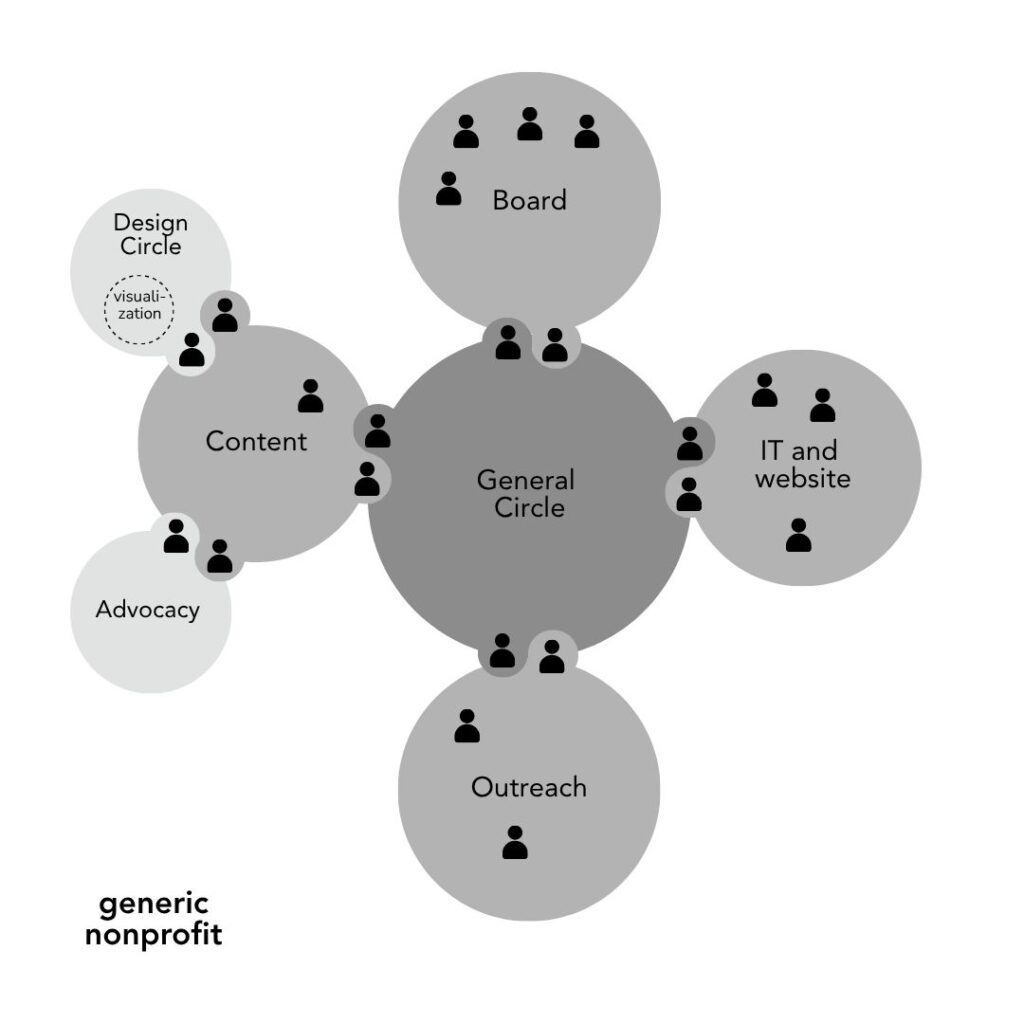
We’ll also share insights from our roadmap, including creating an implementation circle, forming our sociocratic structure, transitioning from an executive core to a general circle, and navigating the complexity of delivery teams working within external client projects. You’ll leave with: greater clarity on your next step in implementing Sociocracy, awareness of common pitfalls and how to avoid them, and practical ideas for getting started or getting unstuck.
Bernadette Wesley
Bernadette Wesley Consulting

Bernadette Wesley is a Sociocracy consultant and self-leadership coach who is passionate about helping organizations create more adaptive ways of working—especially during times of transition and change. She partners with teams to build shared leadership, distributed decision-making, and a thriving culture.
Through tailored training and consulting, Bernadette blends sociocratic systems with the relational and somatic skills needed for effective collaboration. Her work helps teams navigate complexity, strengthen trust, and build resilience while staying connected to what matters most in their work.
Her approach draws on more than 30 years of experience ranging from Fortune 500 companies to small nonprofits. She holds certifications in Sociocracy, Immunity to Change™ Facilitation, and Mind-Body Therapy. Originally from the US and now based in Portugal, she works with clients across the US and Europe. Learn more at bernadettewesley.com.
Emily Levenson
Agile Six
Emily Levenson is the General Counsel and Chief People Officer at Agile Six, a values-driven digital services company working to improve the lives of people who rely on government technology. Her work sits at the intersection of law, leadership, and culture, where she focuses on building organizations grounded in trust, self-management, inclusion, and wholeness.
Before joining Agile Six, Emily spent more than a decade as a litigator representing clients in complex criminal defense matters and disability rights cases involving physical and digital accessibility — work that continues to shape her commitment to fairness, shared power, and human dignity in systems of all kinds.
She lives in Baltimore, Maryland, where she spends her free time coaching or driving her children to sports — roles that have provided excellent training in patience, logistics, and servant leadership.

Sara Quagliaroli
Agile Six
Sara Quagliaroli is a self-management coach and People Operations professional at Agile Six, dedicated to helping people collaborate with clarity, compassion, and effectiveness. She supports colleagues through coaching, workshops, and facilitation focused on communication, feedback, and reflective practice in self-managed environments.
Sara also serves as an internal steward of Agile Six’s Sociocracy implementation, weaving together her experience in nonviolent communication and systems-minded support. She lives in western Massachusetts, where she enjoys gardening, making pottery, and being outside in New England.
Is Sociocracy Indigenous Governance?
Churchill famously said that democracy is the worst governance system except for all the others we’ve tried. Indicating that pre-modern governance was little more than kingship and hereditary rule. This seems to be a grave simplification of what former governance was. Yes, we had kings and chiefs, but not necessarily as privileged positions of power.
There is a story about Sociocracy that links it to the Haudenosaunee-confederacy’s governance system. The story goes that the quakers intermarried with the Oneida and from there developed their consensus democracy, and in turn Kes Boeke and Betty Cadbury turned that into Sociocracy.
Meanwhile in the Nordics, the traditional Ting-governance – a circle-based governance system in both villages and shires, guilds and national tings selecting the king – has clear resemblances to Haudenosaunee governance as well as Sociocracy.
If indeed governance used to be more egalitarian and distributed, is Sociocracy then a return to indigenous governance?
Kåre Wangel
Crossing Circles
Kåre Wangel is a sociocracy consultant with Crossing Circles and part of Circle Think, both of which are working to link our metamodern present to our animist path through the pan-cultural pattern of Circle. Kåre holds a master in Philosophy of Education.
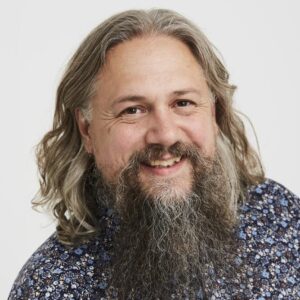
Thor Clasen Jonasen
Crossing Circles
Thor Clasen Jonasen is a sociocracy consultant with Crossing Circles and has a background in mediation and conflict management utilizing Contact-creating Communication. He has a decade of experience teaching conflict theory and -management in Danish universities and is now working to integrate tension management and organizational understanding with Sociocracy.
Consent-Decision Freestyle and Shortcuts
As a facilitator of a circle meeting, can you modify the Consent-Decision-Procedure?
What’s the worst that could happen if you choose shortcuts?
What potential pitfalls are there?
How much risk should you take?
This presentation and discussion is for you if you, as a facilitator, would like (or do already) use shortcuts in the Consent-Decision-Procedure.

Heinz Feldmann
Heinz is a Cofounder of and happily living at „Wohnprojekt Wien“ (wohnprojekt.wien), Austrias biggest Urban Ecovillage. Cofounder of Die WoGen, Austrias first Housing-Development-COOP for Intentional Communities. Volunteer Work at „Initiative Gemeinsam Bauen & Wohnen“ and SoFA IC-Circle.
Work as Consulter for Communities and Trainer for Sociocracy. Author of the Book “Praxishandbuch Leben in Gemeinschaft” (Leben-in-gemeinschaft.com). Organizer (together with Steffen Emrich and in cooperation with SoFA) of a German-language training program “SIC” (Sociocracy in Communities, soziokratieingemeinschaft.com). Heinz developed together with 13 Sociocracy-Experts a Sociocracy-Training-Game: konsent-joker.com
SLOT 2
Implementing Sociocracy for Collective Impact
What would it look like if collective impact initiatives made decisions with shared power, transparency, and trust? And what becomes possible for communities when collaboration isn’t just aspirational but built into how we work together?
This session shares the journey of the CORE Network, an initiative of the United Way of Greater Nashville, as it adopts sociocracy to strengthen coordination among organizations and individuals supporting early childhood educators and caregivers.
Participants will explore how shifting from traditional hierarchy to shared decision‑making can transform collective impact efforts, with lessons learned, early wins, and practical insights for organizations pursuing decentralized, equity‑centered governance.
Ideal for nonprofit, government, and community‑based professionals.

Elandriel Lewis
Intentionalit-E Solutions, LLC
Elandriel Lewis is the lead consultant for Intentionalit-E Solutions, LLC, the Senior Manager of Early Learning and Training for the United Way of Greater Nashville, and an adjunct professor at Nashville State Community College. In these roles, she works with educators and leaders to ensure healthy workplace and school cultures that support lifelong educational and personal success for all members of the community. Elandriel focuses much of her work on emotional intelligence skills and trauma-informed practices to equip communities to better support a just and equitable future for all. Elandriel is a certified sociocracy facilitator and trainer.
Sociocracy meets strategy – Why, when and how
You’ve adopted sociocracy. Meetings are going better, decisions are being made, circles are aligned. But your organization feels stuck. You may be trying to solve a strategy problem with governance.
In this presentation, Elise talks about the difference between strategy and governance, how the two interact and when it makes sense to move into strategy mode. She then offers insights into what strategy approaches work best in sociocratic organizations.
This talk will help sociocracy consultants give their clients more holistic support and a first overview of useful strategy approaches for self-governing organizations. You may also find it useful if you are part of a sociocratic organization that feels stuck.
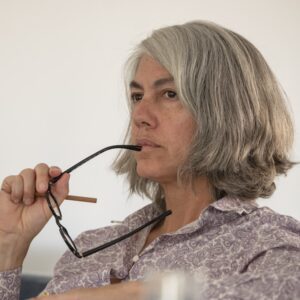
Elise Kissling
Skynative UG
After her early career in economic journalism, Elise moved to industry, where she had the good fortune to work on and lead numerous projects at the intersection of business, environmental and social action. Her passion is designing and executing simple strategies and programs that link organizations with their customers and stakeholders to improve business and sustainability outcome and drive organizational change. In recent years, she has expanded her focus to include sociocracy. She also works on alternative economic models that extend democratic principles to the economic sphere and is an active member of the German-based Commons Institute.
Going Off Book: When It’s Good To Break the Rules
Sociocracy offers many powerful tools to facilitate effective gatherings—but any structure will always find its limits when it meets real humans in real time. Sometimes, we need to throw out the rulebook and go with the flow! In this presentation, Alex will lead us through how we might consider the trade-offs, based on his experience as an improvising musician and trained Sociocracy facilitator.
Participants will be invited to reflect on how they have navigated these challenges and to consider strategies for balancing coherence and creativity in group process. This presentation is for organizers of all stripes who want to deepen their practice of holding space for effective collaboration.

Alex Rodríguez
Mirlo

Alex is an improvising trombonist, writer, organizer working at the confluences of music and social transformation. He has worked in the solidarity economy movement as co-founder of Mirlo, a digital music distribution software cooperative, the mental health worker cooperative Catalyst Cooperative Healing, and as an Artist-Owner of Ampled. Alex holds a PhD in Ethnomusicology from UCLA, where his research focused on jazz clubs and the communities that sustain them in California, Chile, and Siberia; his writing on the contemporary jazz world has appeared in NPR Music and DownBeat, among other outlets.
SLOT 3
A Health Commons Case Study
Can governance structure interrupt long-standing institutional hierarchies? Houston’s 3rd Ward is a historic Black neighborhood shaped by generations of civic leadership and self-determination, as well as by disinvestment and institutional expansion. When the University of Houston launched a Health Commons in this context, organizers made a deliberate choice to build shared governance from the start through sociocracy.
In this session, members of the Health Commons’ Implementation Circle share the historical and cultural context, governance design, implementation journey, and evaluation insights–reflecting on lessons learned, tensions surfaced, and how structure can begin to shift power in practice and support community ownership.
This session is for sociocracy practitioners, institutional leaders, and community partners seeking more accountable, historically and culturally aware pathways to systemic change.

Shala Massey
Every Step, LLC
Shala Massey (she/her) is a certified sociocracy trainer and SoFA Professional Partner, and an active member of Sociocracy For All’s Communities Support, Co-op, and Mission Circles. Shala is sociocracy coach for the Health Commons, supporting governance design and collaborative leadership across community, clinical, and academic partners. With over a decade of experience in collective healing and social change, Shala helps organizations build transparent, equitable governance systems that strengthen shared decision-making and long-term resilience.
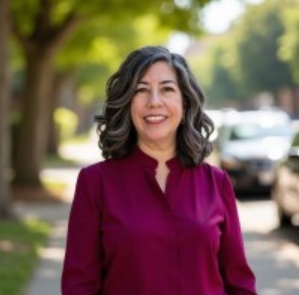
Linda Civallero
University of Houston Tilman J. Fertitta Family College of Medicine
Linda Civallero is a native Houstonian who is committed to improving health in her community. She is the executive director of Community Engagement at the University of Houston Tilman J. Fertitta Family College of Medicine where they are working to build shared governance with community partners. Linda is an intermediate level sociocracy practitioner with experience in community engagement, meeting facilitation, and mediation. She earned a master’s degree in public health from UT Health Houston, School of Public Health and a bachelor’s degree in sociology and biology from Trinity University.
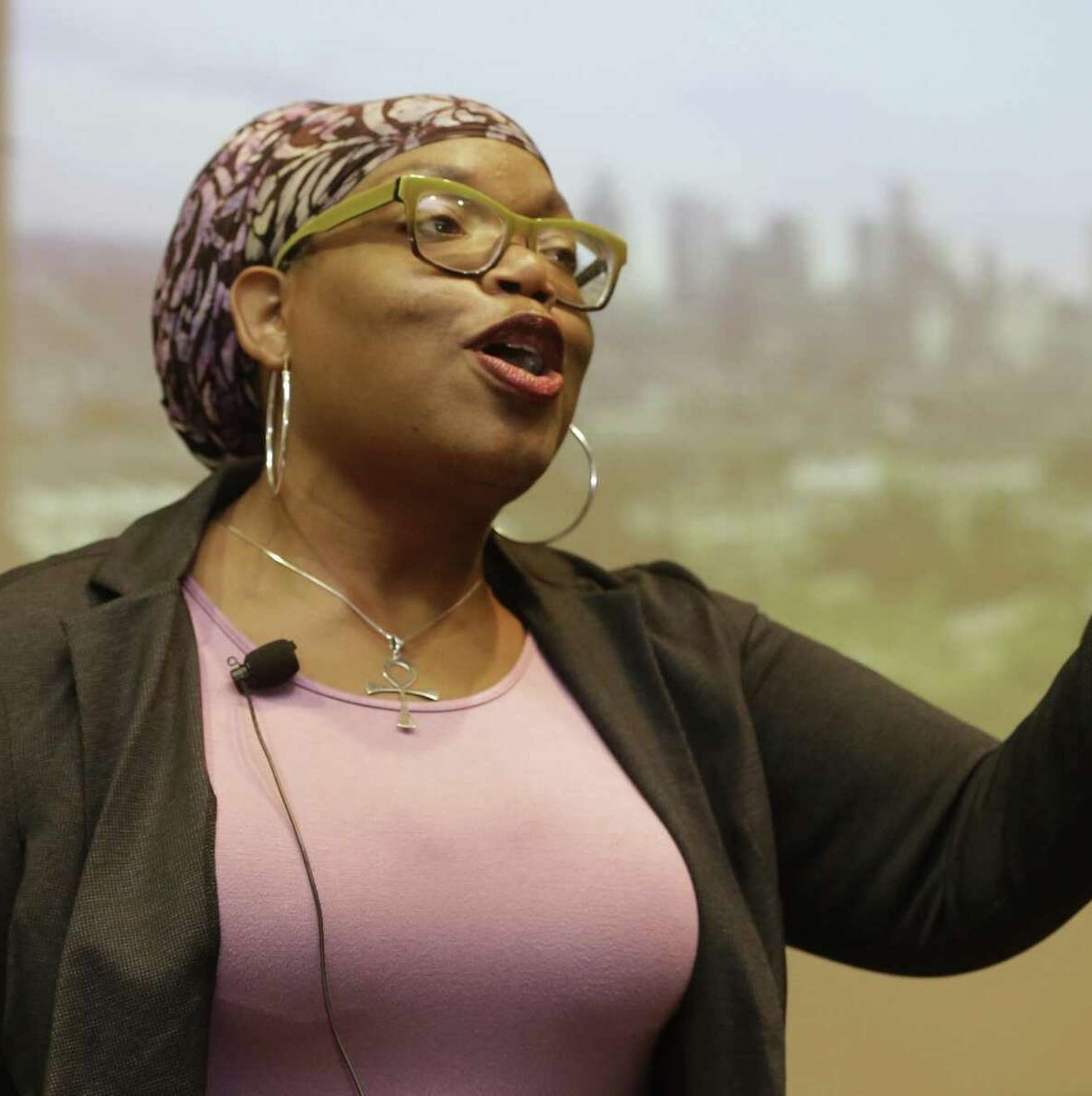
Dr. Assata Richards
Sankofa Research Institute
Assata is the founding director of the Sankofa Research Institute (SRI), a nonprofit with a mission to “create knowledge to build community” that employs Community-Based Participatory Research to work collaboratively with academic researchers, community organizations, and funders to generate empirical evidence to inform social change. She received a bachelor’s degree from the University of Houston and earned a master’s and a doctoral degree from Pennsylvania State University. She has extensive training in quantitative and qualitative research methods and analyses. After serving on the faculty of the University of Pittsburgh, she returned to Houston, Texas. She is an adjunct professor at the University of Houston, teaching courses in the sociology department and the arts leadership program. As a public sociologist, Assata is the Board President of the newly formed Houston Community Land Trust, the Third Ward Cooperative Community Builders, and the Emancipation Economic Development Council, a people-focused and place-based effort to revitalize, preserve, and protect a historic African-American community in Houston, Texas. Most recently, she was elected as the founding board president of the Community Care Cooperative, the second worker-owned home care agency in Texas and the first entity incorporated in the United States owned and operated by community health workers. As a Black Cooperator, she is a founding member of the We Are The Ones Solidarity Cooperative, which is building a reparative and restorative economy to serve the economic, social, and cultural needs of residents living in Houston’s historic African American communities. Lastly, she is a founding member of the National Association of Black Cooperators, founded in 2022 with a mission to advance the regenerative economic well-being of Black cooperators across the country to increase the impact of our work in local communities.
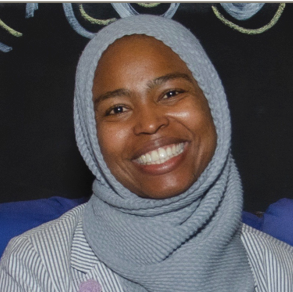
Tamika Evans
Sankofa Research Institute
I work to reclaim, pioneer, and co‑design equitable solutions for community well‑being. Nearly three decades of experience building institutions and projects across local, national, and international nongovernmental organizations have affirmed the importance of wealth flow, intergenerational connection, creativity, collaboration, and accountability in advancing systems‑level change.
As co-director of the Sankofa Research Institute, I steward projects that co‑create community‑identified outcomes advancing health, wealth, and wellness through mutually beneficial economic strategies. I move through this chapter with gratitude, curiosity, and dignity, committed to building spaces where voices are heard, relationships are strengthened, and collective knowledge leads to thriving, resilient communities.
All In on Sociocracy: Lessons from Fully Implementing It in a Nonprofit
At the end of 2024, ZuBaKa decided to implement sociocracy as its new governance system. This decision came after years of growth and growing dissatisfaction with the way power was distributed and decisions were made. Now, 1,5 years later, ZuBaKa has a fully implemented sociocratic circle structure, but is still in the process of figuring out what the people of
ZuBaKa need to work best with and in the new system. We are sharing our journey so far, with its highs and lows, and are excited to talk to experienced sociocratic practitioners and ambitious individuals, who want to see this change in their workplace, about our experiences.
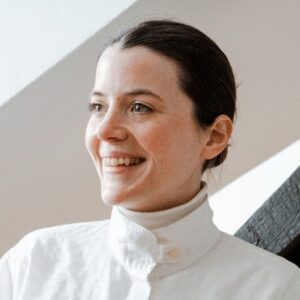
© Doreen Buck
Emma Wolf
ZuBaKa gGmbH
Emma has an MA in English Literature and 10+ years experience in managing cultural and social projects. She joined ZuBaKa in 2022 and has since then developed and established the company’s impact management system. She currently works as Impact Manager on Monitoring, Evaluation and Learning to design projects that create real impact for ZuBaKa’s target audience. In Spring 2025, Emma joined ZuBaKa’s internal Sociocracy Implementation Team and has been involved in establishing, refining and adjusting the new governance structure. Until recently, she led ZuBaKa’s Operative Circle through its initiation and turbulent adaptation phase.
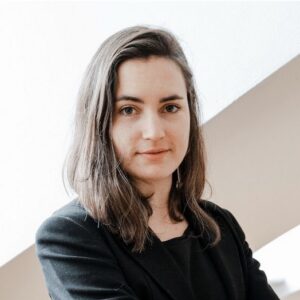
© Doreen Buck
Sora Gundling
ZuBaKa gGmbH
Sora leads the Organizational Development department at ZuBaKa. She joined the organization in 2021 and has since held several leadership roles, giving her deep insight into the existing structures and the areas requiring change. After completing an introductory online training in sociocracy, she initiated and continues to lead ZuBaKa’s Sociocracy Implementation Team, which was initially supported by external sociocratic coaches. Her approach to organizational development is shaped by an integral perspective. In addition, she serves as the circle leader of the Administrative Circle.
ZuBaKa (short for “ZukunftsBauKasten” which translates to “Future-Building-Toolkit”) is a nonprofit social enterprise that fights for education equity in Hesse, Rhineland-Palatinate, and Baden-Württemberg in Germany and currently employs 25 people. It supports children and teens who face disadvantages in the school system due to their backgrounds. ZuBaKa’s education projects aim to build a world where young people’s futures depend on where they want to go, not where they come from. ZuBaKa’s projects employ social‑emotional learning methods to help students develop a positive self‑image and personal goals. In addition, they are designed to promote students’ language development and integration.
PANEL: Between Domination and Disengagement: The Impact of Power-Within and Humility in Sociocracy.
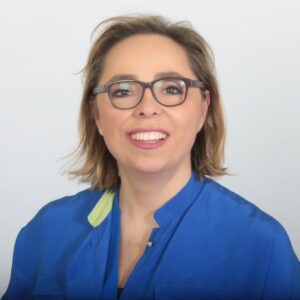
Tania Melick
Tania is a multilingual, multicultural Facilitator and Executive Coach with over 20 years of international experience supporting senior leaders and multicultural teams across EMEA and Asia. She designs and facilitates high-quality conversations that enable collective leadership, sound decision-making, and shared ownership in complex environments. Working at the intersection of leadership, culture, and complexity, she helps groups move from ambiguity to clarity while holding tension and difference with care and rigor. Her work is grounded in systems thinking and informed by Sociocracy, Motivational Interviewing, and Nonviolent Communication. Known for her calm, empathic presence, she creates conditions for aligned action and sustainable performance. Tania works in Arabic, English, French, and German.
Elandriel Lewis
Intentionalit-E Solutions, LLC
Elandriel Lewis is the lead consultant for Intentionalit-E Solutions, LLC, the Senior Manager of Early Learning and Training for the United Way of Greater Nashville, and an adjunct professor at Nashville State Community College. In these roles, she works with educators and leaders to ensure healthy workplace and school cultures that support lifelong educational and personal success for all members of the community. Elandriel focuses much of her work on emotional intelligence skills and trauma-informed practices to equip communities to better support a just and equitable future for all. Elandriel is a certified sociocracy facilitator and trainer.
Participatory activities
Language meetups, games and discussion groups
The best way to spend your break is with others!
Sessions will still be announced
Reinventing the Sociocratic Logbook (OrgaLog)
(1) Many sociocratic organizations begin with clarity and strong agreements – yet over time, decisions become hard to trace, domains overlap, and policies slowly drift. Governance drift rarely results from bad practice, but from the absence of a structured single source of truth.
(2) In this 20-minute input, the session introduces the concept of a Digital Governance Infrastructure (DGI) as a missing layer in sociocracy – bridging the gap between decision-making and long-term clarity.
(3) Participants will explore common governance pain points such as fragmented documentation, unclear mandates, and fading accountability. The presentation outlines how well-linked governance data, supported by smart features, AI, and automation – illustrated through OrgaLog.app – can strengthen transparency and coherence without adding bureaucracy.
(4) The session concludes with space for Q&A. Its open for everyone
Florian Bauernfeind
Soziokratie Zentrum Österreich
Florian Bauernfeind designs collaborative structures that enable participation, clarity, and impact. He is a Certified Sociocracy Expert (CSE), facilitator, organizational developer, and trainer with over a decade of experience supporting cooperatives, municipalities, networks, and community initiatives.
As founder of the Austrian Center for Sociocracy, he works at the intersection of governance design, democratic participation, and digital innovation. He is also the developer of OrgaLog.app, a digital governance infrastructure that supports sociocratic organizations in maintaining clarity, transparency, and accountability as they grow.
Synchrony: software for doing Sociocracy
Practising Sociocracy is both rewarding and challenging. Transparency takes effort and maintaining a focus on shared aims can be difficult. That’s how Synchrony got started.
In this presentation, the Synchrony developers of will introduce this new and exciting software tool for building and maintaining sociocratic structure and processes in your organization.
Topics covered will include:
a. Challenges and overheads with operating sociocratically.
b. Demonstration of Synchrony’s existing features, as well as those currently under development.
c. A look ahead at what’s on the roadmap.
d. Participants will be encouraged to offer feedback or ask questions.
This topic will be of interest whether you’re just starting out with Sociocracy, or you’ve been practicing for years. Synchrony is built specifically for Sociocracy, regardless of whether you’re coming from a non-profit, cooperative, big, small or somewhere in between.

Derek Laventure
Consensus Enterprises
Derek Laventure is a Software Developer at Consensus Enterprises with a longstanding commitment to consensus-based decision making and ethical technology. He is an experienced IT and Cloud Architect with over 20 years of expertise in open source development, infrastructure, and systems administration.
With a formal background in Cognitive Science and Computer Science, Derek combines his technical expertise with a user-focused approach. His experience spans both freelance consulting and full-time roles, where he has been the technical lead at a non-profit organization and contributed to myriad web and cloud architecture projects. Passionate about continuous learning and problem-solving, he is dedicated to building effective, high-performance systems that meet the real needs of users and stakeholders.
Derek is a member of the Products & Hosting and Governance circles at Consensus, which are responsible for the development of Synchrony.

Scott Zhu Reeves
Consensus Enterprises
Scott Zhu Reeves is a Software Developer at Consensus Enterprises, an ethical technology consulting company that has been operating sociocratically since 2021. He is a seasoned full-stack web developer with over 20 years of experience and a deep specialization in Drupal, content migrations, and the Drupal theme system.
Scott is dedicated to improving user experience (UX) and holds a UX certification from the Nielsen Norman Group. He has worked across various sectors, including government, education, and healthcare, where he has developed a reputation for delivering high-quality Drupal consulting, site migrations, performance tuning, and multilingual solutions. Scott’s proficiency in web services, API integration, and data modeling, combined with his focus on accessibility and WCAG compliance, makes him a trusted advisor for complex, large-scale web projects.
Scott is a member of the Products & Hosting and Governance circles at Consensus, and a core developer of Synchrony.
SLOT 4
Small Org, Big Change: Implementation Year One
What does it really take to introduce sociocracy into a small, deadline-driven film production company? And why does implementation often look nothing like the textbook?
In this session, Jan Scholl reflects on the first year of introducing sociocratic structures into a creative business. The focus is not on the “finished system,” but on the messy, human process of implementation: where friction emerged, where assumptions broke down, and what had to be rethought.
He explores topics such as timing and sequencing of changes, dealing with skepticism and informal hierarchies, translating governance language into everyday practice, and maintaining momentum when client work dominates attention. Participants will gain practical insights into resistance patterns, pacing, and the difference between structural change and cultural integration.
This session is for those who are navigating the realities of introducing sociocracy and want grounded insights from the field.
Jan Scholl
SoFAN Professional Partner
Jan Scholl is a change manager and organizational development practitioner from Germany. He is deeply active in the German initiative of Sociocracy For All, supporting the spread of sociocratic principles in business contexts.
His work centers on a simple conviction: work can be more human. Structures do not have to remain as they are. Organizations can distribute power, invite real participation, and still be effective. Jan is particularly interested in how governance shapes culture — and how transparent roles, consent-based decisions, and shared responsibility create environments where people feel safe to contribute fully.
He brings together systemic thinking and a strong value orientation: trust, honesty, and the courage to question inherited patterns. His focus is on enabling workplaces where performance grows out of connection rather than pressure.
Solarpunk Solstice & Sociocracy
What happens when a Burning Man arts collective with zero sociocracy experience decides to produce a Solarpunk festival together?
In this presentation, Airpusher Collective’s journey producing “Solarpunk Solstice” will illustrate how sociocracy can guide large-scale creative collaboration. Participants will hear how consent decision-making, circles (or lack of circles), rounds, and shared leadership shaped the vision, production process, and culture of a 500-person summer solstice dance and arts festival that raised $7,000 for future projects.
The session will explore missteps, practical adaptations, and how sociocracy still fostered dynamic participation, power-sharing, and collective ownership even within a group of complete newbs with zero prior training.
This talk is for event producers, arts collectives, grassroots organizers, and new or emerging practitioners curious about applying sociocracy in real-world, high-energy projects.

Jay Gregory
Airpusher Collective

Jay Gregory is an Oakland, CA–based community builder and public sector leader. He has served for eight years as Manager of Digital Services at the San Francisco Human Services Agency, supporting collaborative, service-driven innovation in local government. Over 18 years participating in Burning Man, he co-founded both a theme camp and the Airpusher Collective, developing as an artist, producer, and facilitator of creative teams.
Across civic and cultural work, he has consistently explored collaborative leadership—with mixed results—until discovering sociocracy as a powerful framework for shared governance and consent-based decision making. Still a beginner, he approaches the work with humility, experimentation, and a commitment to continuous learning. His parallel journey of spiritual practice and exploration of intentional community further anchors his dedication to radical collaboration rooted in trust, accountability, and mutual empowerment.
Enhancing Collaboration with Neurosciences
Have you ever seen everyone starting to talk at the same time, despite usually using rounds? Have you ever lost all your words suddenly when it was your turn in the round? Do you strongly believe in collaboration, but sometimes have this uncontrollable defensive reaction in a meeting? Why does this happen? What can we do about it?
In this presentation, Audrée will go over the aspects of neurosciences that explain those behaviors, and give concrete tricks we can use to speak the language of our nervous system to get back our capacity to listen, be compassionate and connect with each other.
We’ll see how sociocracy itself already supports nervous system regulation, and some things we can add to make it even more nervous system friendly.
This is for you if your sensitivity gets in the way of your artful participation, or if you want to better support sensitivity in your team, as a sociocracy participant, facilitator, trainer or consultant.
Audrée Morin
Sociocracy for All & Interconnexion

Audrée is an advocate, trainer and consultant for self-governance with sociocracy. Trained as a biologist, Audrée encountered sociocracy while being involved with the Global Ecovillage Network and touring intentional communities. She now dedicates herself to help humans collaborate better, for their own wellbeing and a more positive impact on their surroundings.
Other approaches that influence her work are non-violent-communication, restorative circles, Zegg forums, gift economy and permaculture.
She has worked with SoFA’s Intentional Communities Circle since 2021 and is a SoFA Professional Partner since 2025. She has earned her Trainer Certification in 2024 and is working on her Consultant certification.
SLOT 5
Experiments blending design methods and sociocracy
How do we build skills and structures for collaborative decision-making? For 10 years, a team of social scientists and human-centred designers have collaborated with three large service providers and hundreds of community members to co-create Curiko, a platform bringing people with and without disabilities together for meaningful moments of connection. Our values are rooted in mutuality, non-institutional relationships, learning and growth — and we’ve wanted to find ways to bring these values into organizational design, not just interaction design. Our funders and anchor partners are very traditional hierarchies.
Enter sociocracy! Over the past 12 months, we’ve experimented with circle structures, rhythms, and routines alongside co-design and co-production methods. Come along for an in-progress case study of what it looks like to both meld methods and contexts — and learn about how we are navigating tensions, imperfectly.
Sarah Schulman
Curiko / InWithForward
Dr. Sarah Schulman has spent her career in buses, bingo halls, and back alleyways. As a social scientist focused on re-imagining complex social challenges, Sarah collaborates with people, nonprofits, cities, government agencies and philanthropies to make & test alternative social support models from the ground-up. She is the Founding Partner of InWithForward, a social design shop. Sarah holds a B.A (honors) in Human Biology and an M.A in Education from Stanford University as well as a DPhil in Social Policy from Oxford University, where she was a Rhodes Scholar.
Rachel Carson EcoVillage’s Journeys in Sociocracy
How does a community turn a commitment to sociocratic governance into a culture of practice and learning? As a cohousing community that adopted sociocracy from its outset in 2020, Rachel Carson EcoVillage has been digging into sociocracy, exploring, adapting it, and making it RCE’s own.
This presentation discusses RCE’s sociocracy journeys, from SoFA’s Empowered Learning Circle to RCE’s Sociocracy 101, from SoFA’s Non-Violent Communication class to RCE’s Transformative Communication, and from SoFA’s Facilitation Playground practice sessions to RCE’s Sociocracy Conversations. (This will be an updated from the presentation at the Sociocracy in Intentional Communities Conference last November.)
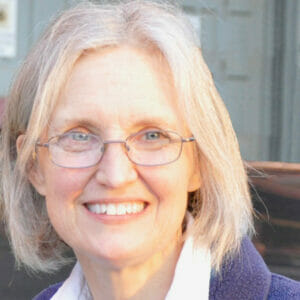
Stefani Danes
Rachel Carson EcoVillage
Stefani is a member of Rachel Carson EcoVillage in Pittsburgh, Pennsylvania, and has served as project manager since its outset in 2020, when she took Sociocracy for All’s Leadership Training course. As an architect, she designs urban affordable housing, cohousing, senior cohousing, and community facilities. She has been active in her own neighborhood community organizations since helping to found them in 1989. As Professor of Practice at Carnegie Mellon’s School of Architecture, she teaches courses on housing, intentional communities, and sustainable neighborhood revitalization. She has visited more than forty communities in the US and Denmark, prepared post-occupancy evaluations, and has completed a course in cohousing development. Rachel Carson EcoVillage was named a finalist in the Urban Land Institute’s Pittsburgh Chapter 2025 Visionary Places program.
PANEL: Structures that Support Patterns of Grounding and Co-Regulation
What happens when we become activated in meetings? With responses ranging from shut down, or moving into fight, flight, or freeze, activation can pull us from collaboration and impede our ability to make clear decisions.
What systems of support can we create to meet those moments in collaborative meeting space? How do we build in practices of connection and regulation so they become integral to the meeting environment?
Throughout this panel conversation, four facilitators and trainers who are practicing sociocracy in non-profits, worker co-ops, and community groups will share tools that can be used to ground self and co-regulate with others. Each will share personal experiences of how these practices were presented and received while in sociocratic processes. There will be space at the end for questions and reflections. This presentation is for facilitators who are interested in creating grounded, co-regulated group dynamics that allow for navigating tension in a generative way.

Michelle Tsutsumi
Michelle Tsutsumi (she/her) lives in Secwepemcúl’ecw and brings a depth of experience from her background in sensorimotor trauma therapy, organic farming, and communications. For over 20 years, Michelle has used a systems lens to co-create participatory spaces where justice and equity are more structurally present within the nonprofit, food justice, and co-operative sectors. Through the workers co-op that she co-founded, Michelle co-designs processes that enact anti-oppression, community building, and decolonial practices within self and organizations. She is especially interested in practices that facilitate emergent spaces and the stamina to navigate transitions.
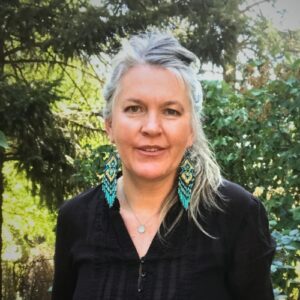
Frieda Nixdorf
The Work That Reconnects
Frieda Nixdorf – Frieda’s work focuses on drawing community into transformational experiences to remember our belonging, our interdependence, and our kinship with the more-than-human world. Her great love is supporting humanity in navigating the liminal space of transition from Business as Usual into the Great Turning. Frieda is a Work That Reconnects facilitator who has been incorporating WTR practices into everything she does since she first met Joanna Macy in graduate school in 2002. Frieda serves as a Weaver and co-director for the Work That Reconnects Network, which engages sociocracy for its governance and organizational structure. Frieda lives among the oaks and manzanita on the unceded ancestral homelands of the Nisenan and Maidu in the foothills of the Sierra Nevada in Northern California. You can find Frieda at: www.lifeintheconfluence.com.

Leander Roth
Leander Roth is the co-founder and mythematician of worker coop Spring Up, and co-host of the podcast Getting Free Together. He has a background in sociology, entrepreneurship, and restorative / transformative justice. Leander is a systems thinker and conflict strategist who enjoys supporting organizations in building shared power and decentralization. Some of their trainings through Spring Up include: Harm Systems Design, Power and Consent in Decision Making, Conflict and Consensus, and Getting Free Together. You can find Leander teaching SoFA Academy 1 or in the coop and ecosystem circles!
…
SLOT 6
Sociocracy & Cooperative Housing Development
Propolis Cooperative Housing Society is a new non-profit housing cooperative in Kamloops, BC, Canada, that will begin construction on their first two apartment buildings in summer 2026. Lindsay and Cheryl will share Propolis’ journey from a small consensus-based organizing group that began implementing sociocracy as they expanded their team and as they prepare to scale significantly while their first 80 homes begin construction.
Join this session to hear their challenges and successes weaving in sociocratic practices while leading a complex, community-led development project.
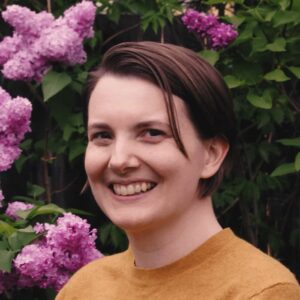
Lindsay Harris
Propolis Cooperative Housing Society
Lindsay Harris, Ph.D., is a community developer and researcher with a background in agriculture and food systems, affordable housing, community economic development, rural and small city resilience and grassroots community decision making. She is an owner-member of Tapestry Collective Co-op and the co-founder and executive director of Propolis Cooperative Housing Society, which aims to build affordable, sustainable housing in the Kamloops region.
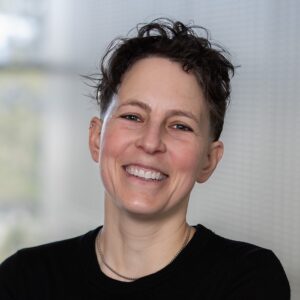
Cheryl Gladu
Propolis Cooperative Housing Society
Cheryl Gladu, Ph.D., is an Assistant Professor in the Department of Human Enterprise and Innovation at TRU. She is an interdisciplinary scholar who studies, among other things, how people solve complex problems via the creation and management of dynamic systems of governance. Before her academic work, she co-created and managed a small green real estate development company that developed Canada’s first net-zero multi-unit residential building.
Organizational Murmuration: Adapting to Shifting Capacity
How do we adapt our plans and expectations through shifting capacity over time? Murmuration is how a flock of birds move together through evolving conditions in a self-directed manner.
Together, we will learn from tangible tools that our organizations can implement to track and respond to changes in capacity, grounded in disability justice, consent, and design thinking.
Leander Roth
Leander Roth is the co-founder and mythematician of worker coop Spring Up, and co-host of the podcast Getting Free Together. He has a background in sociology, entrepreneurship, and restorative / transformative justice. Leander is a systems thinker and conflict strategist who enjoys supporting organizations in building shared power and decentralization. Some of their trainings through Spring Up include: Harm Systems Design, Power and Consent in Decision Making, Conflict and Consensus, and Getting Free Together. You can find Leander teaching SoFA Academy 1 or in the coop and ecosystem circles!

Kate “Sassy” Sassoon
Kate “Sassy” Sassoon is the founder of Sassy Facilitation, which provides facilitation, training, and organizational design to innovative organizations. In her almost 40 years of Membership in democratically owned and operated enterprises, Sassy has supported the collaboration of a variety of co-ops, including: housing, childcare, worker-owned businesses, production collectives, community land trusts, and intentional communities of all flavors. She strives to bring inspiration, productivity, and humor to her classes and her clients.
Your Circle Has Unmet Needs: Prioritizing Access
Introducing sociocracy changes how we meet our needs in groups. Its processes and principles become shortcuts to our individual and collective goals. So what do we do when someone’s needs are unmet in sociocratic circles? And what if that person is us? In this session, we will brainstorm what sociocratic environments enable and disable, and why we have big reactions when our processes or norms are challenged.
We will learn how hospitality, accessibility, deep listening, and consent can help us flow together in organizations, then jump into breakouts to practice applying these skills to a scenario. Come chat about centering relationships and heart while embodying a heady governance system.
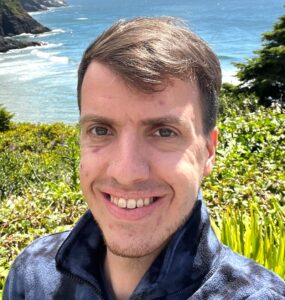
Michael James
Michael James (he/him) is a facilitator, coach, and creative. He finds security in structure while seeking space for spontaneity. He enjoys practicing self-governance in various contexts, including coaching NGOs, volunteering at VillageCo, clerking a Quaker committee, and working with local organizers. He is a Certified Sociocracy Facilitator, a member of SoFA’s NGO and Ecosystem circles, and the organizer of the Peer Support Across Practices community.