✦ Governance as Spiritual Practice ✦
What If Your Congregation Could Make Decisions That Everyone Could Live With?
UU values and sociocratic governance — a natural fit.
New to Sociocracy? Begin Here.
Upcoming events
UU Congregations Already Believe in Shared Decision Making. Sociocracy Helps Put It Into Practice.
Unitarian Universalism has always valued democracy, inclusion, and shared ministry. But good intentions don’t always produce good governance. Many congregations experience siloed committees, frustrated members, and decisions that don’t stick — not because of bad faith, but because the structures aren’t set up to bring every voice in.
Sociocracy — also called dynamic governance — offers a practical, proven set of tools that help UU congregations live their values from the inside out. This is not a foreign model: it’s a way of organizing that resonates deeply with UU principles of equity, covenant, and congregational polity.
This initiative, supported by Sociocracy for All (SoFA), is designed to bring awareness, real stories, and practical support to UU leaders, staff, and congregants who want to explore what this could look like in their community.
Three Principles at the Heart of Sociocracy
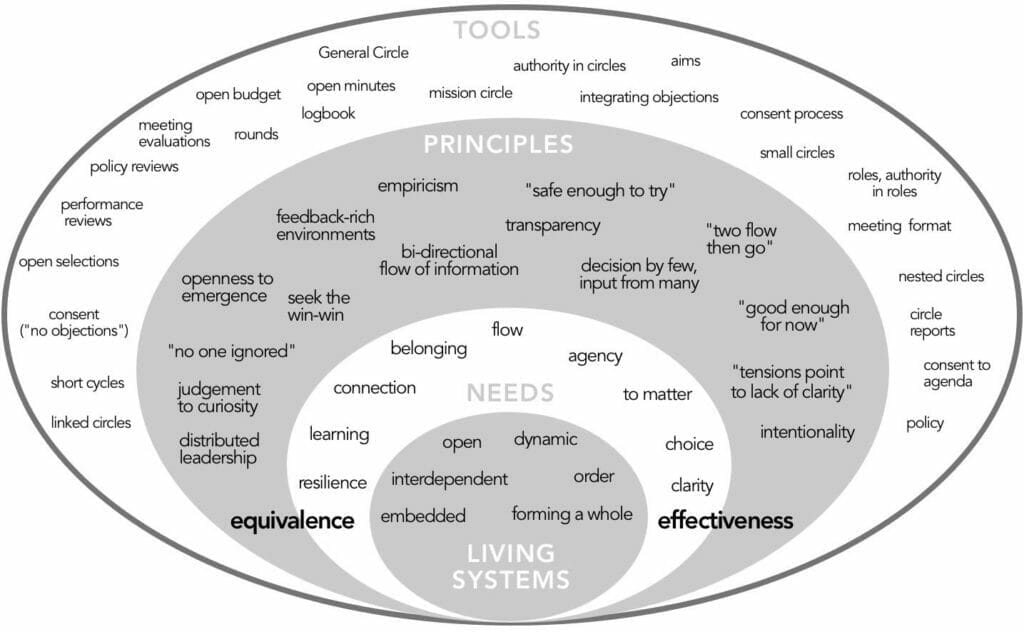
Sociocracy is built on a small set of clear principles that, together, create a fundamentally more equitable and adaptive organization.
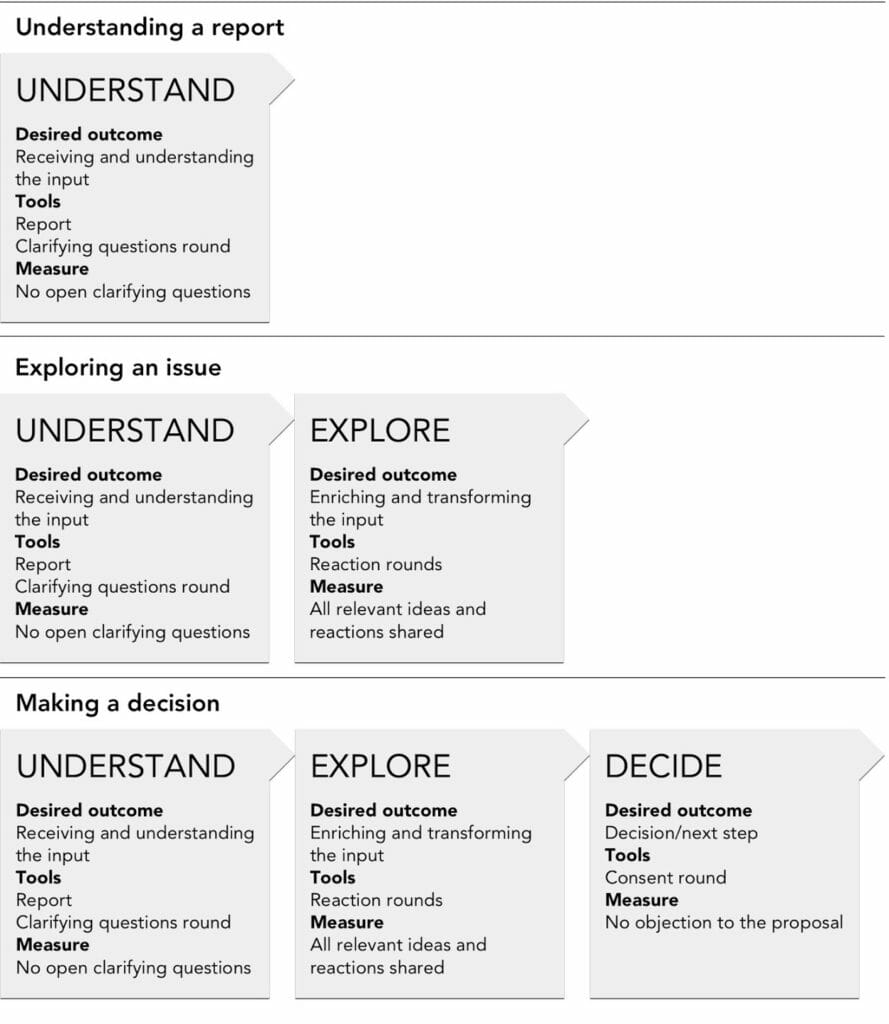
Consent Decision-Making
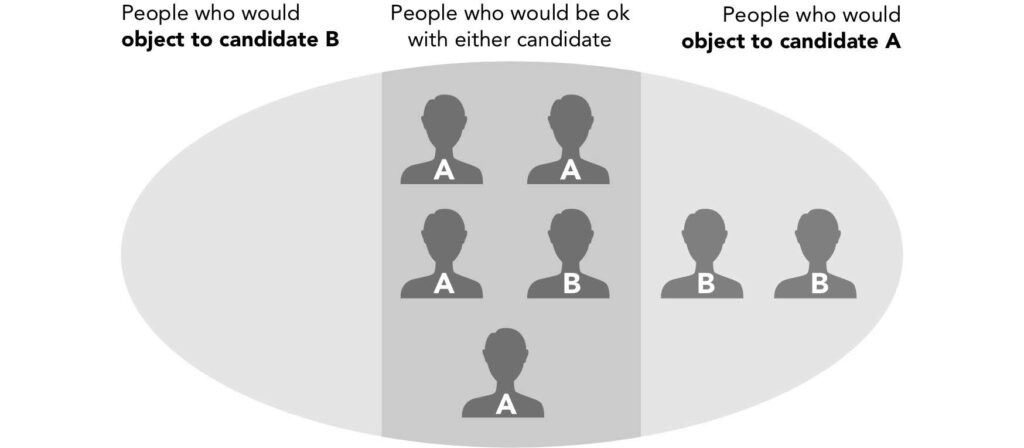
Decisions move forward when there are no reasoned objections — not when everyone agrees perfectly. “Good enough for now, safe enough to try.”
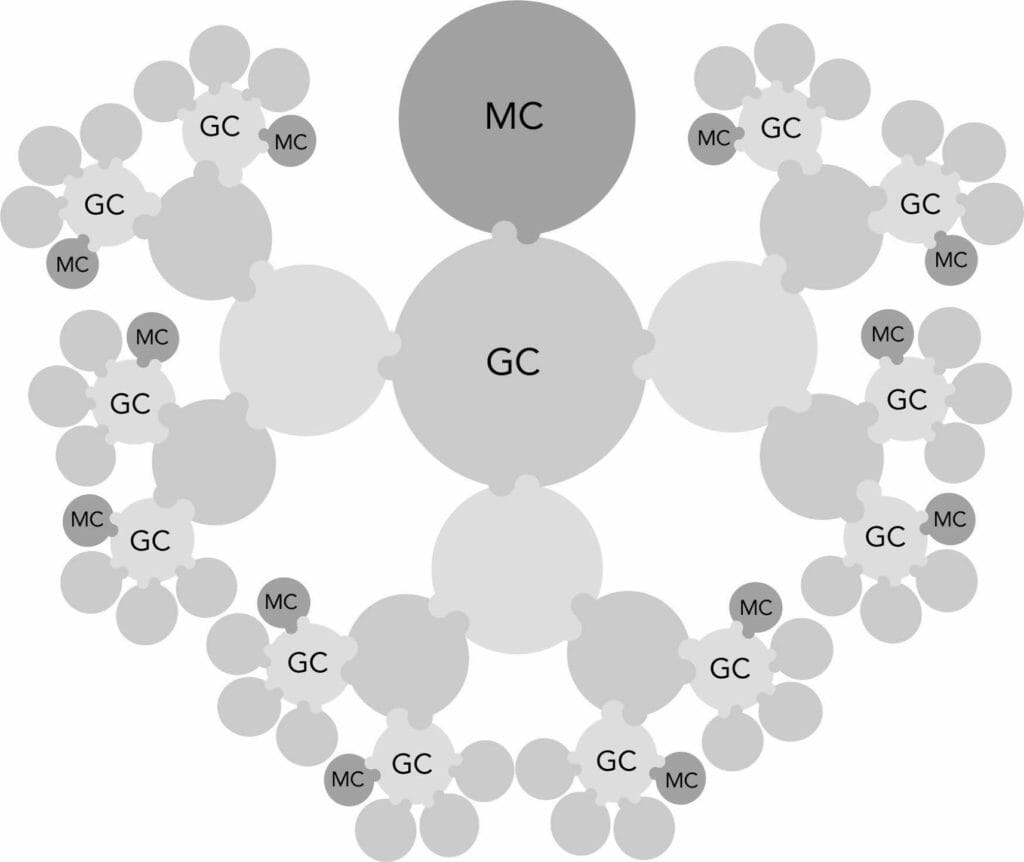
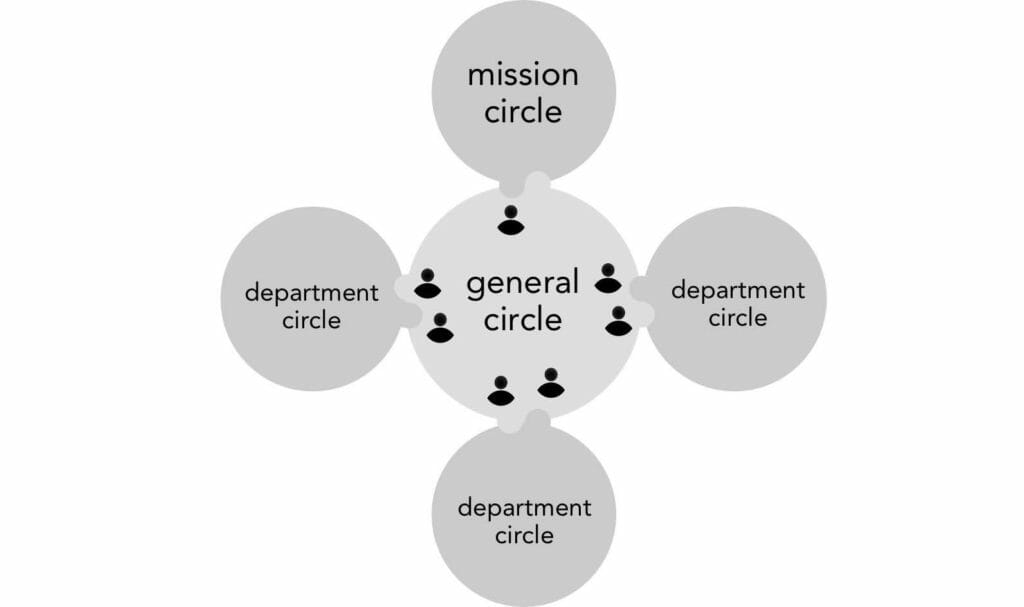
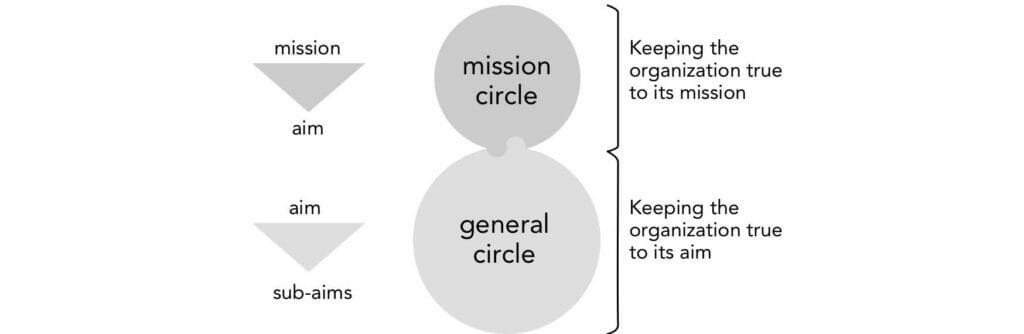
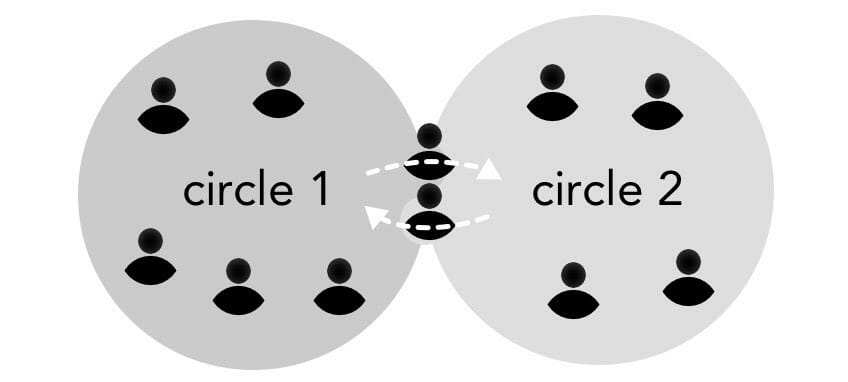
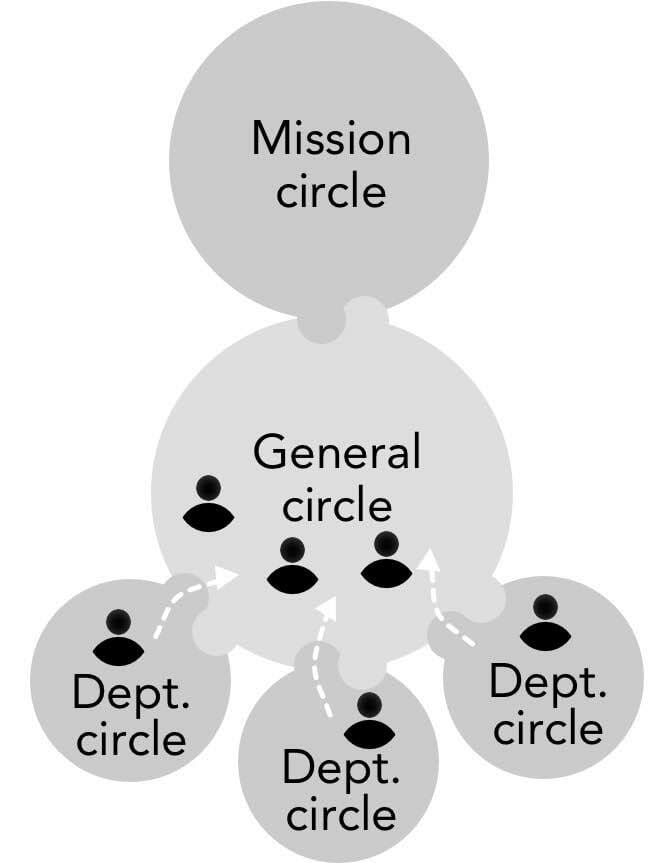
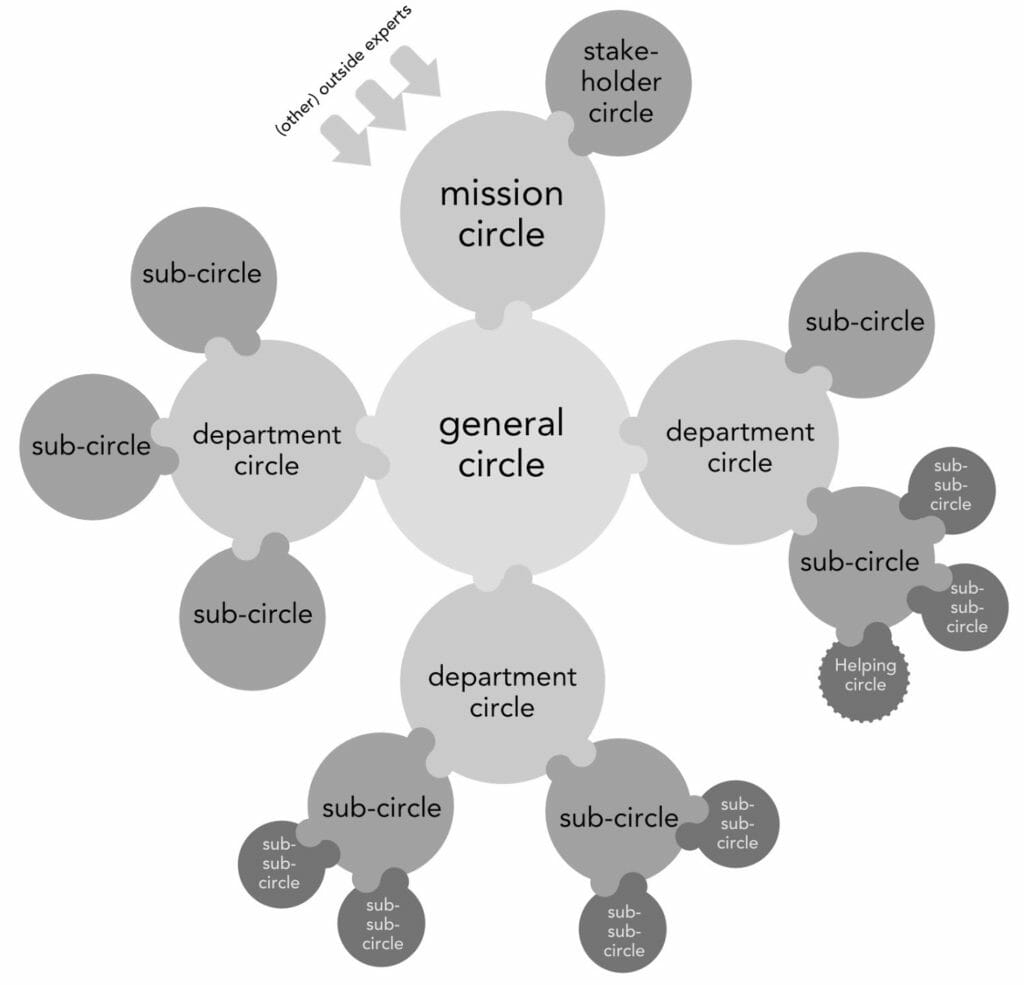
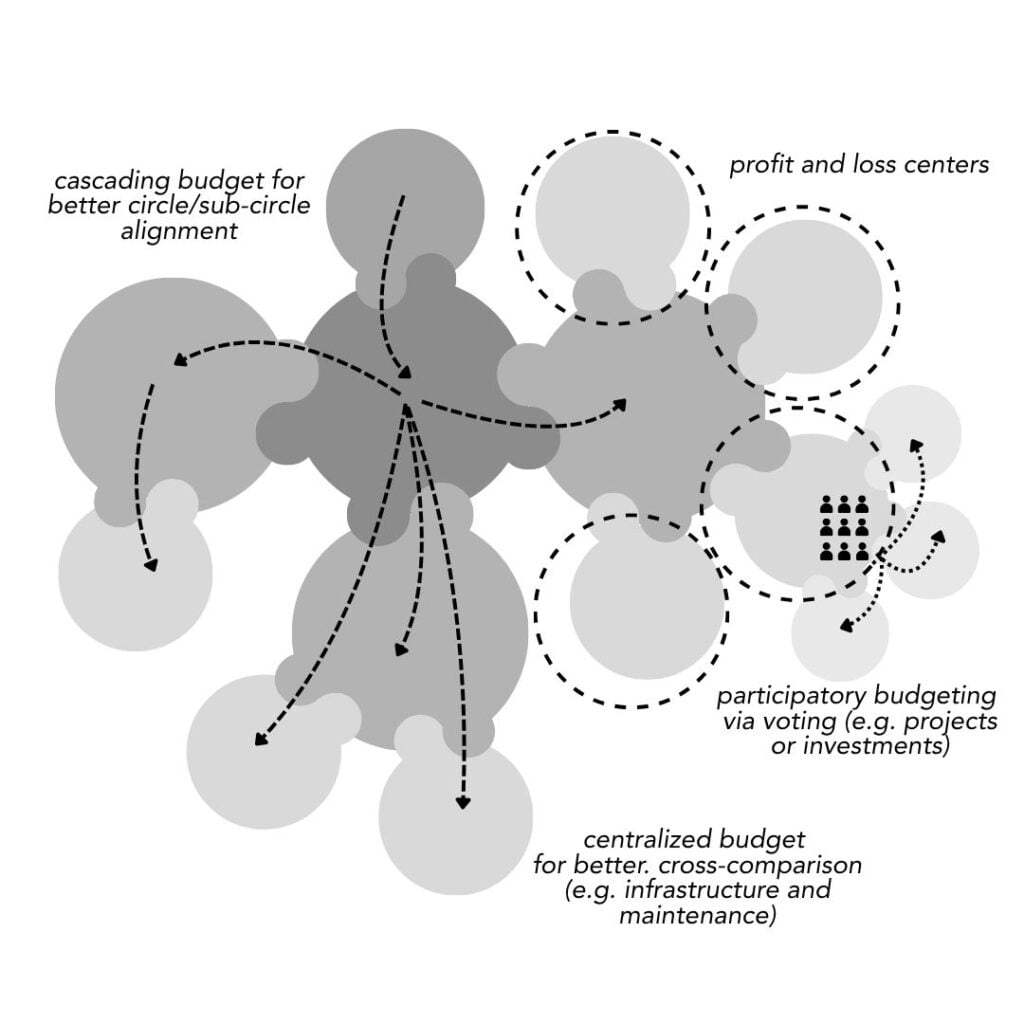
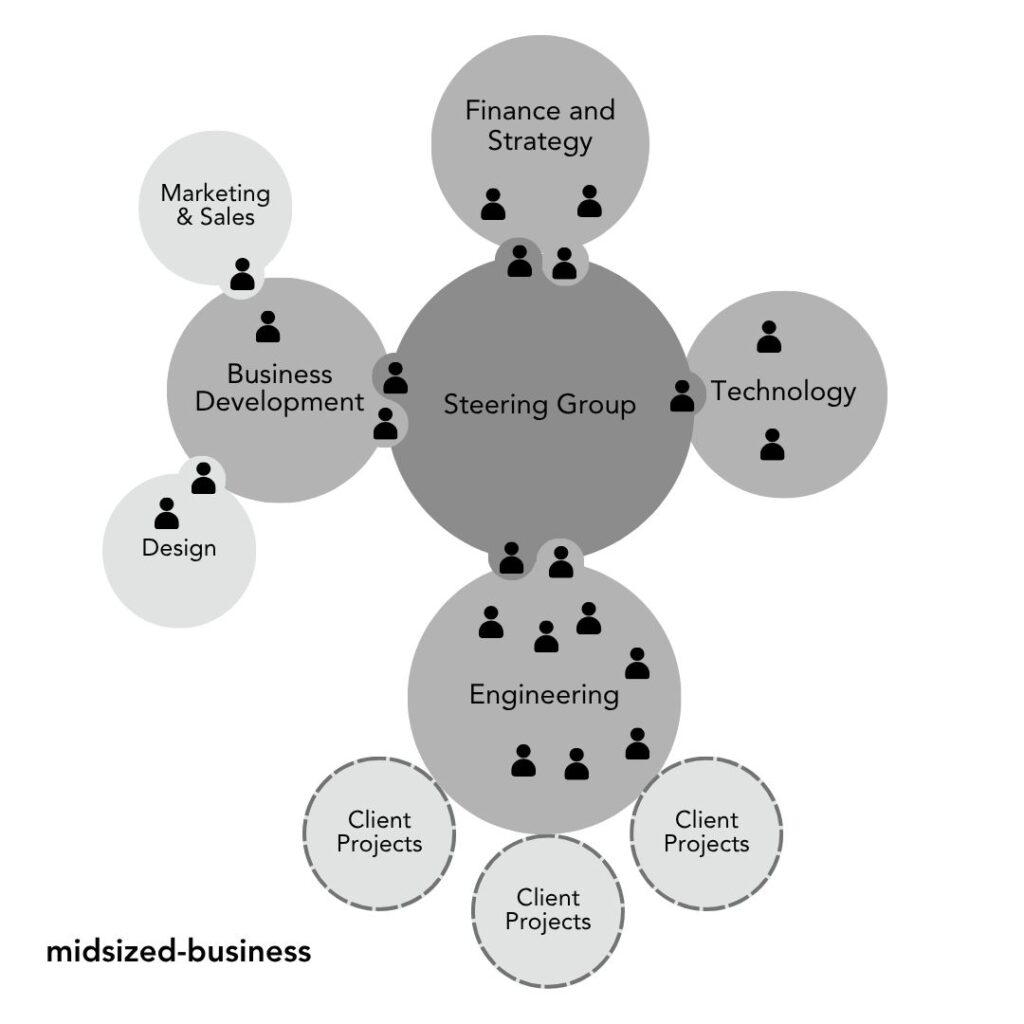
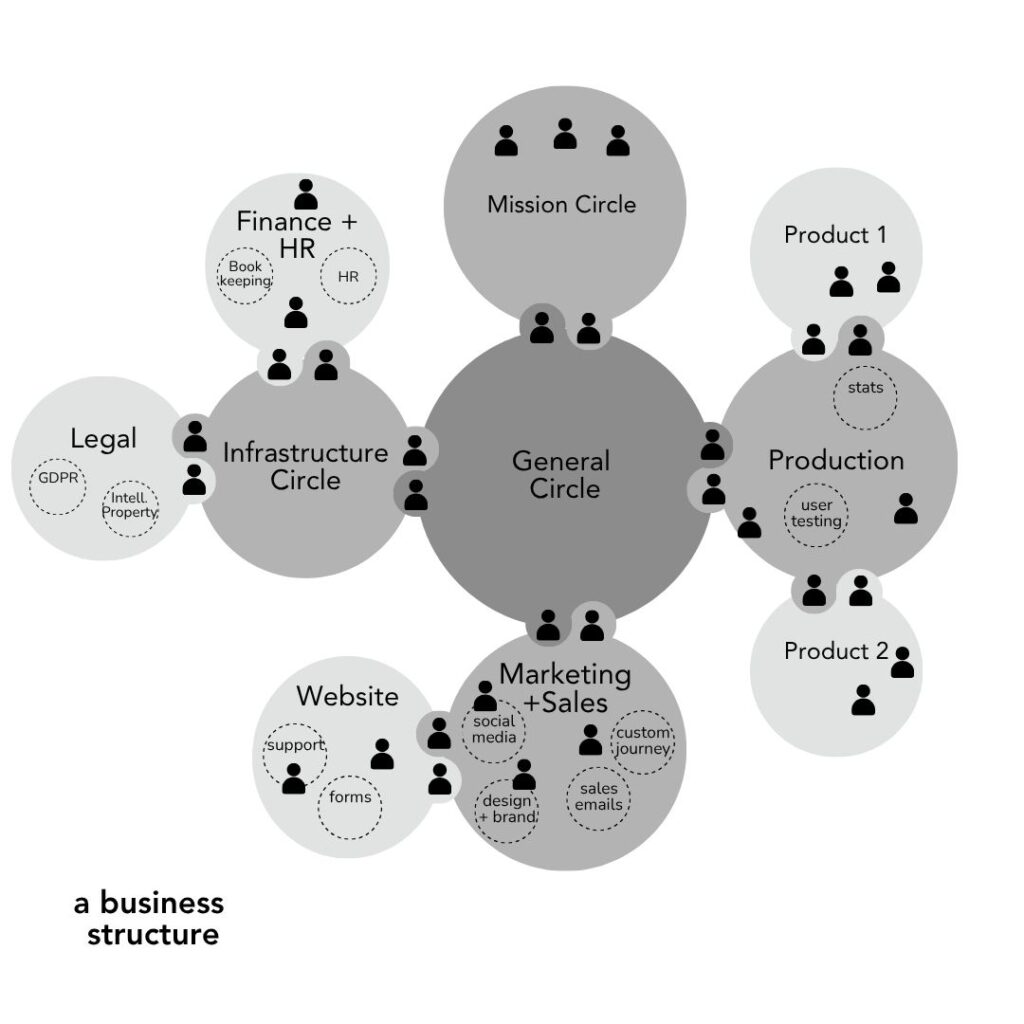
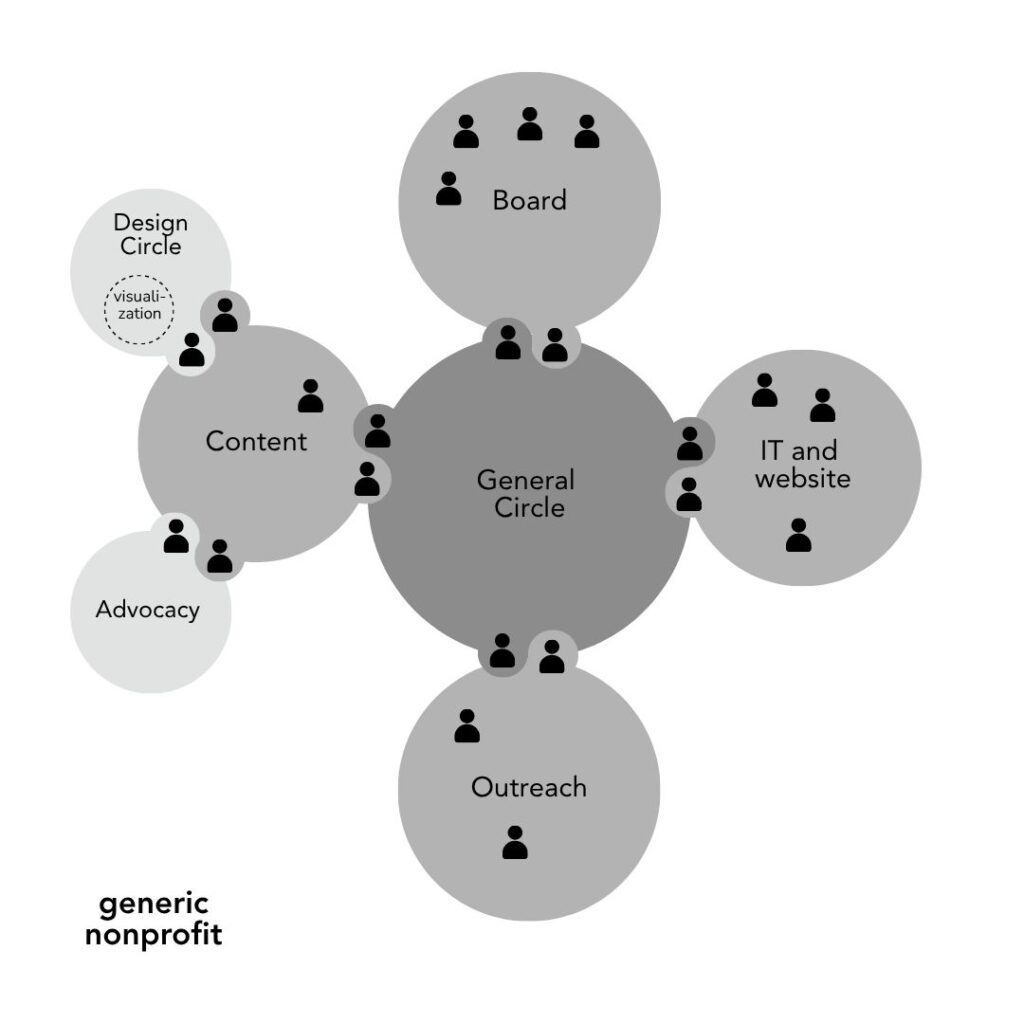
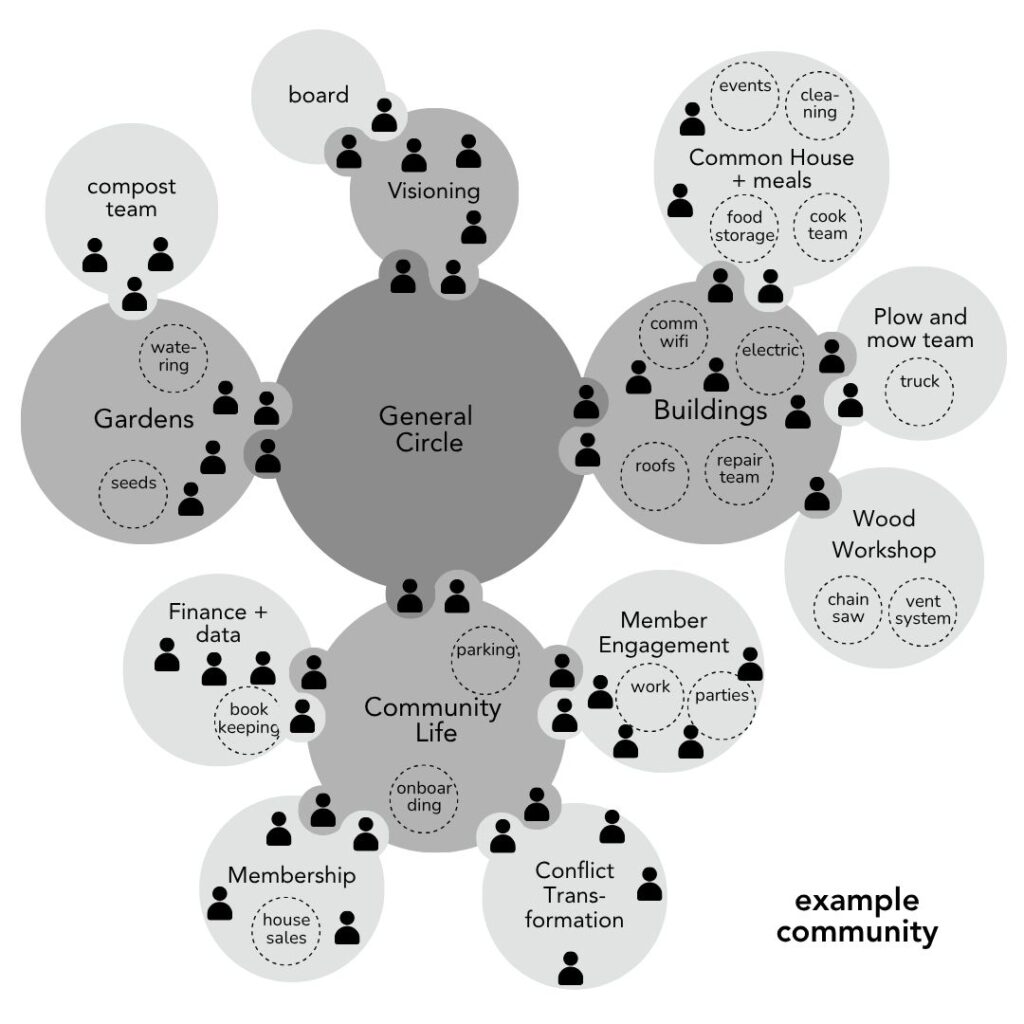
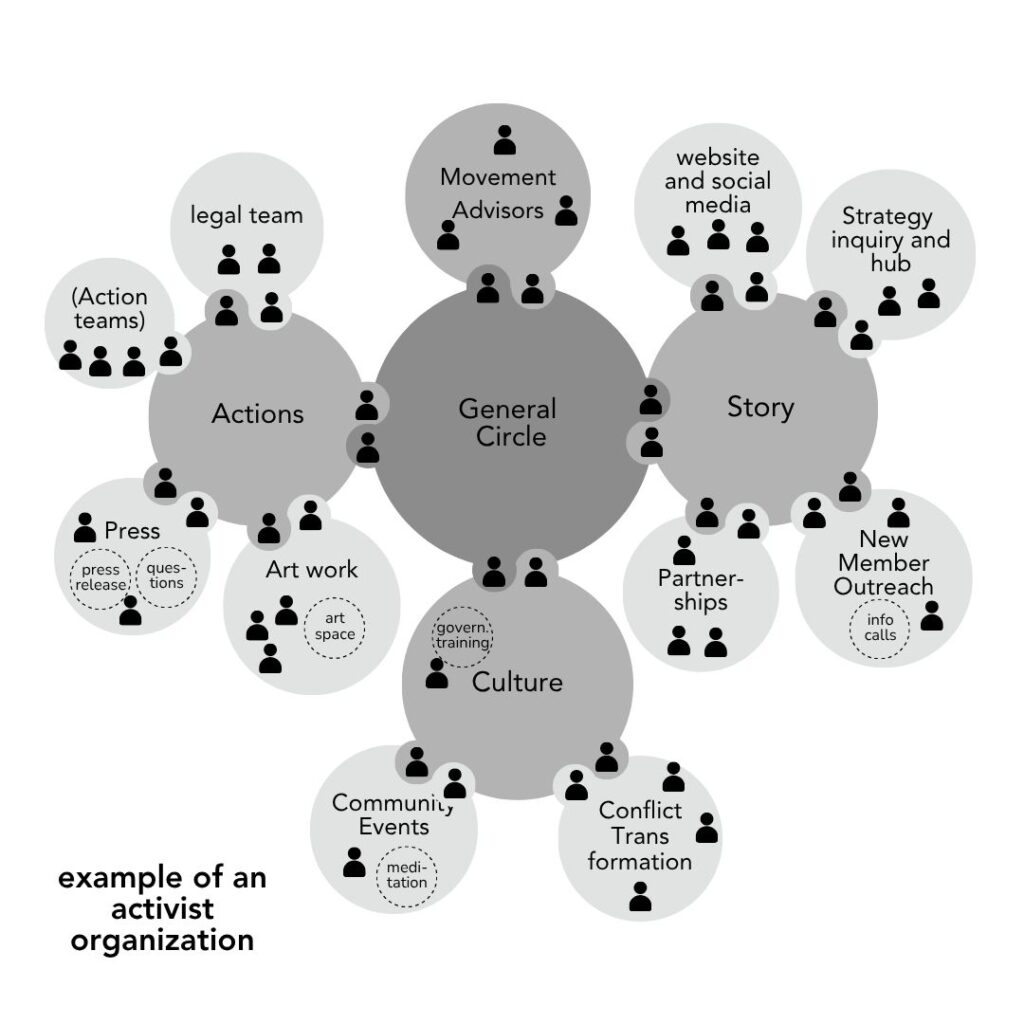
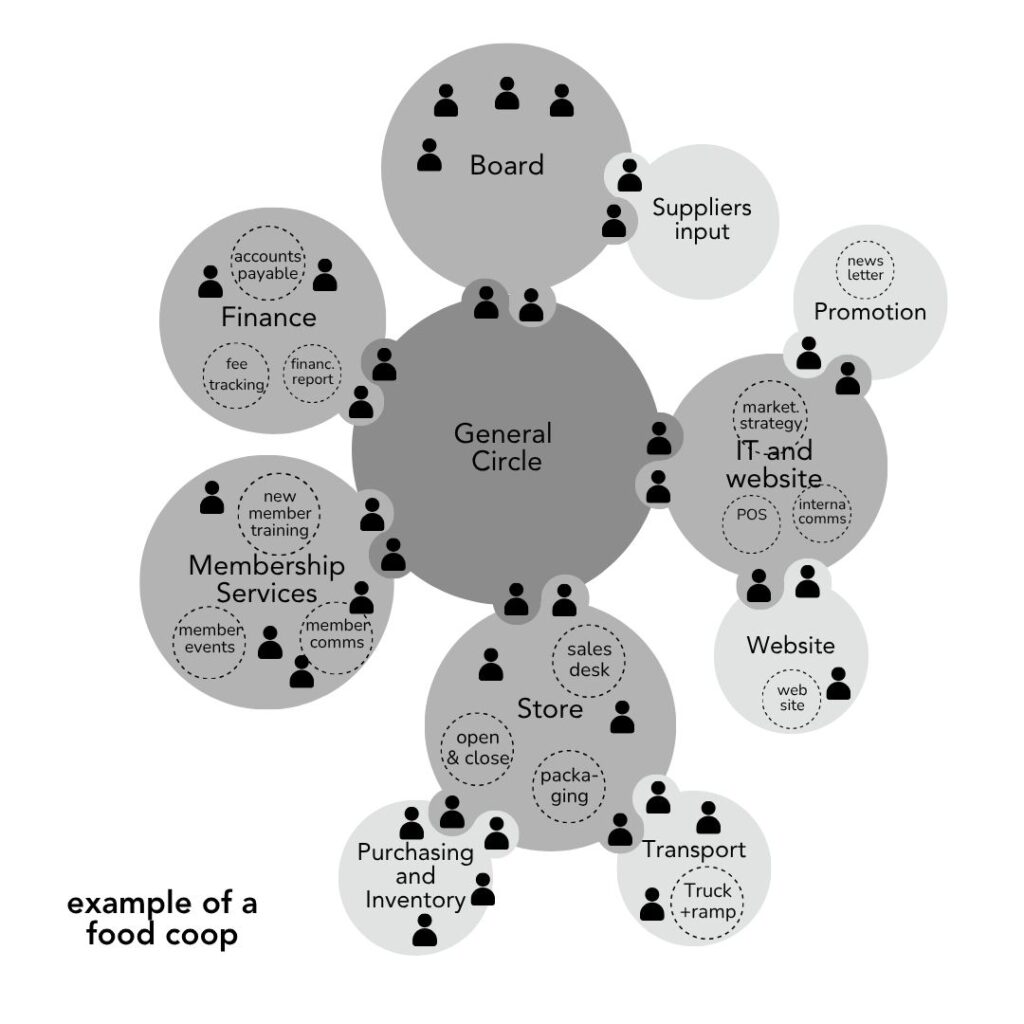
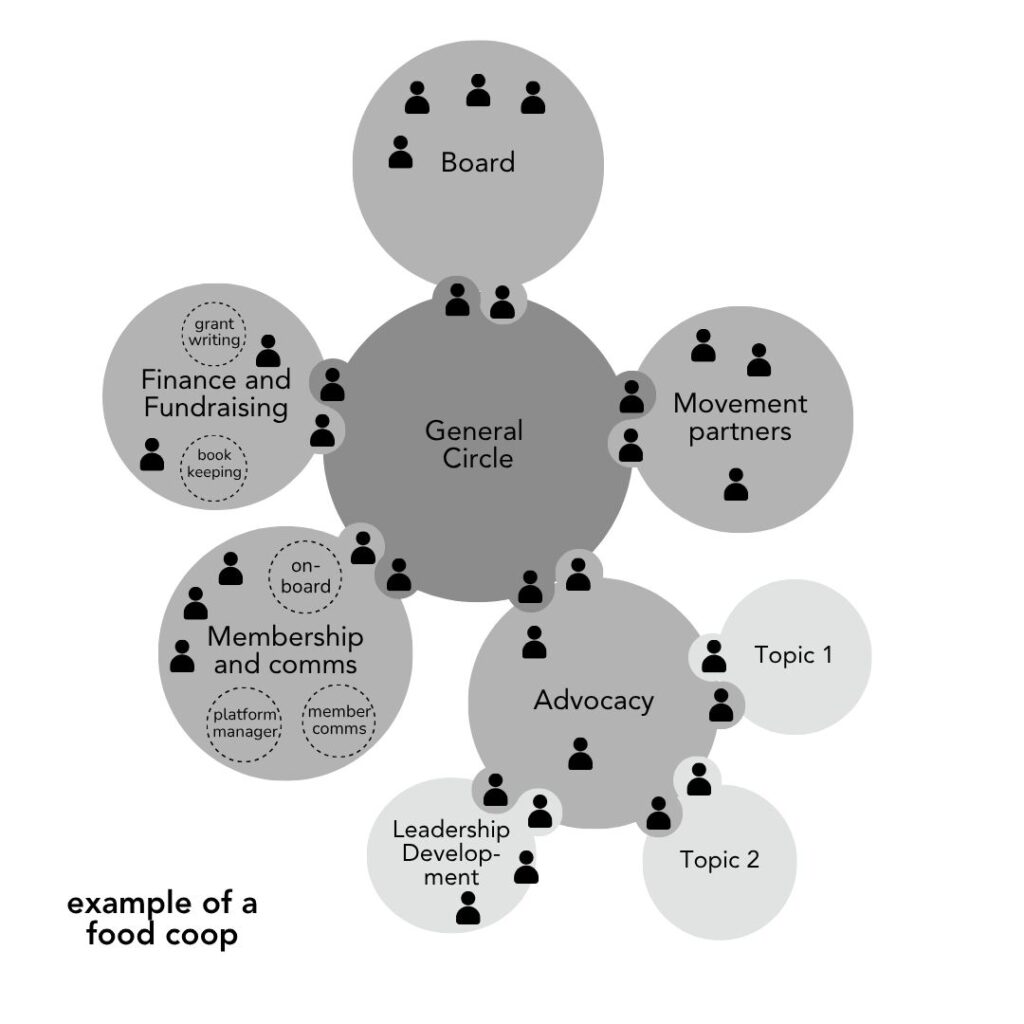
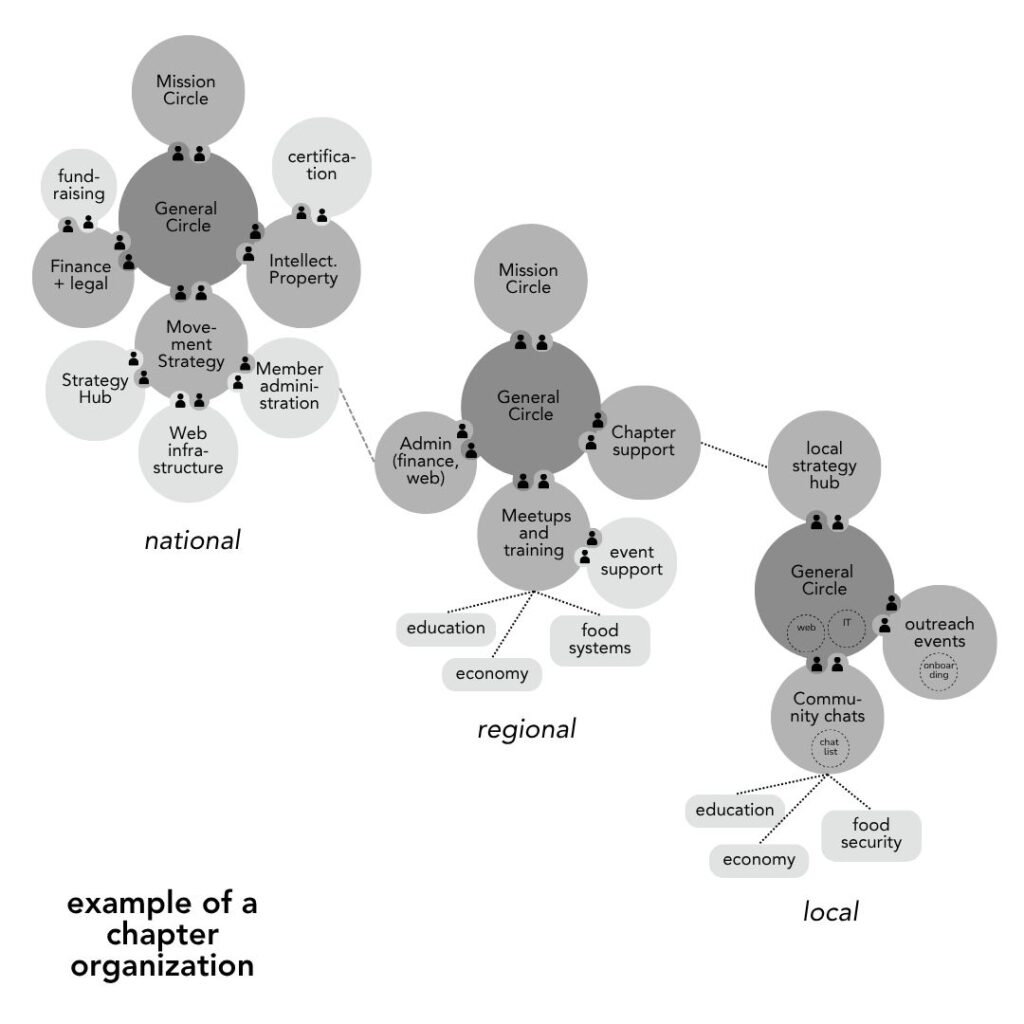
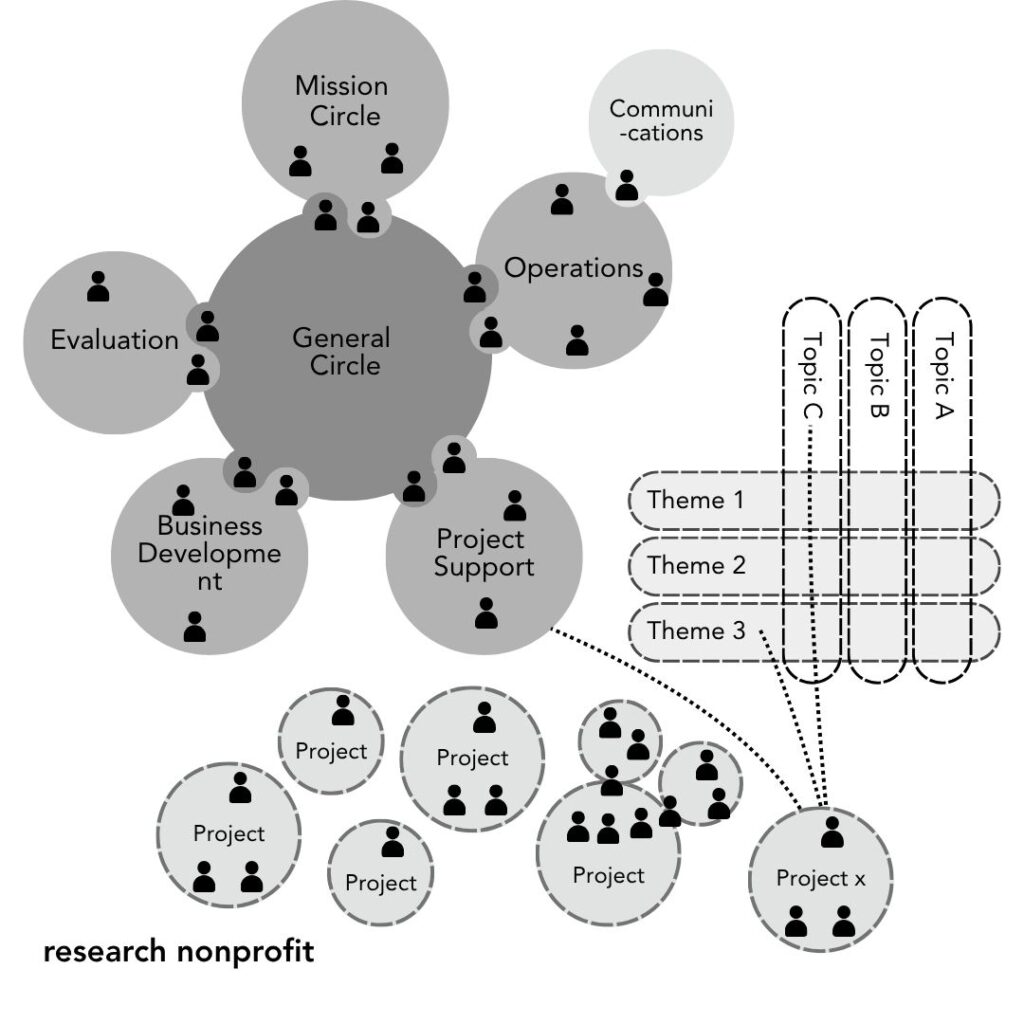
Linked Circles
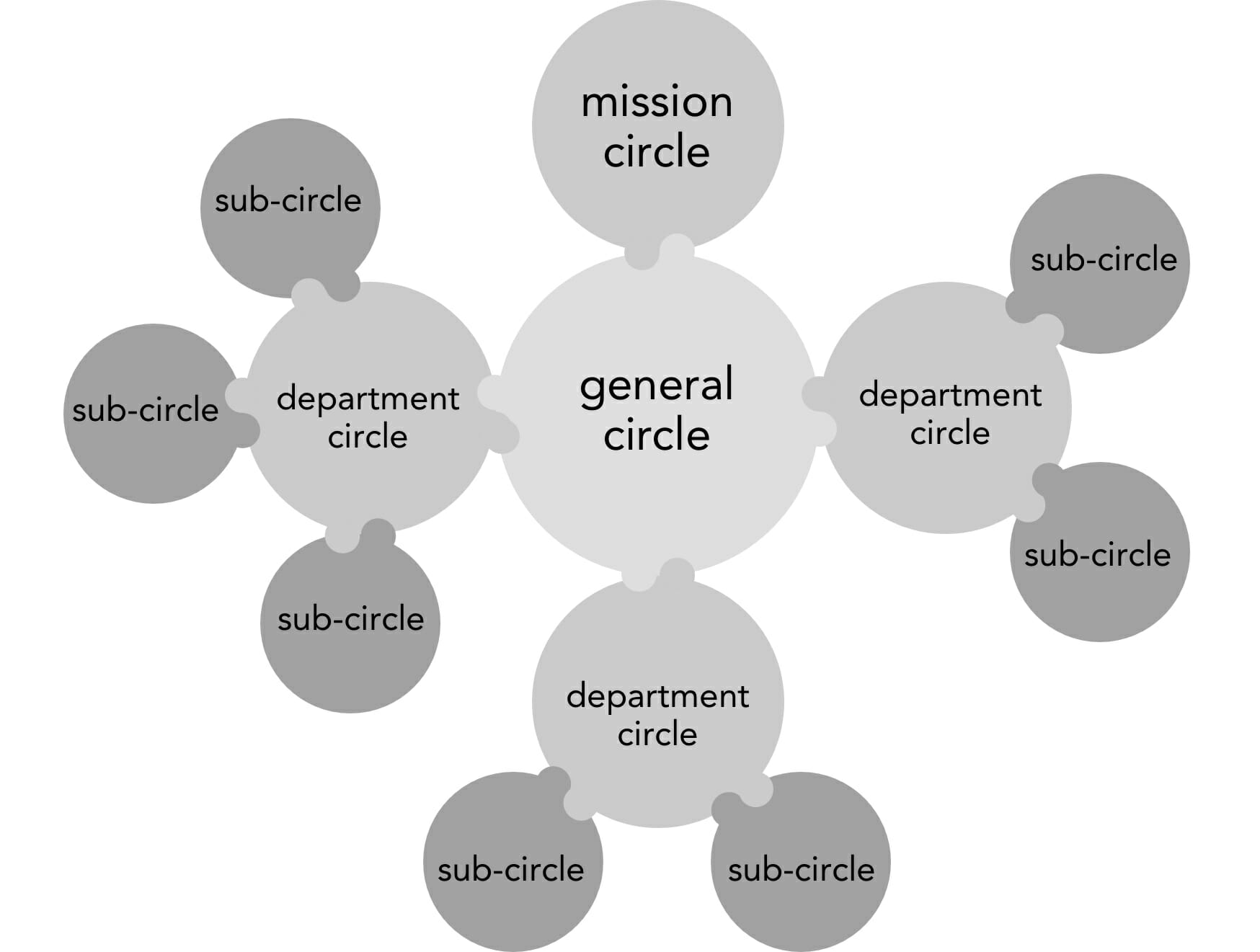
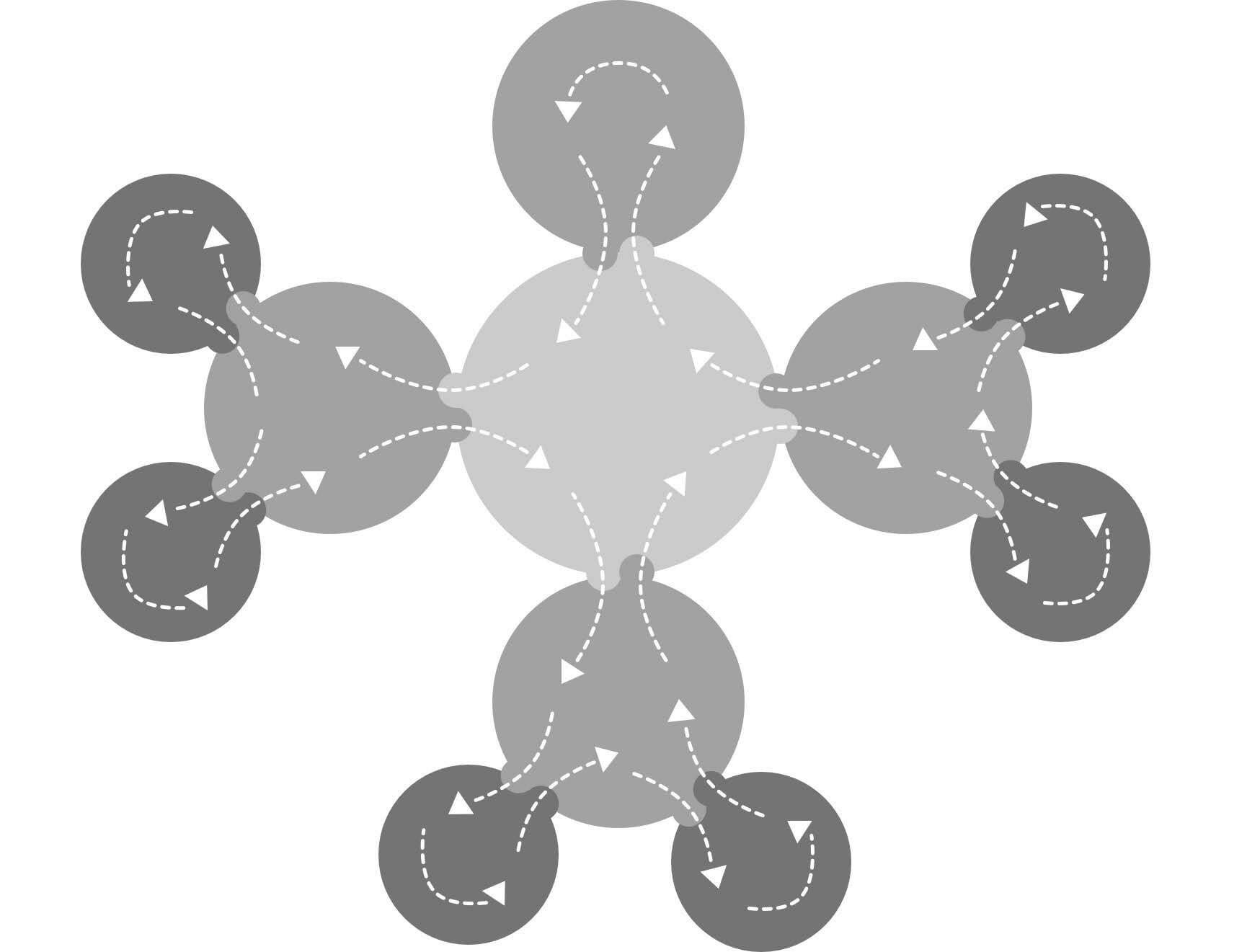
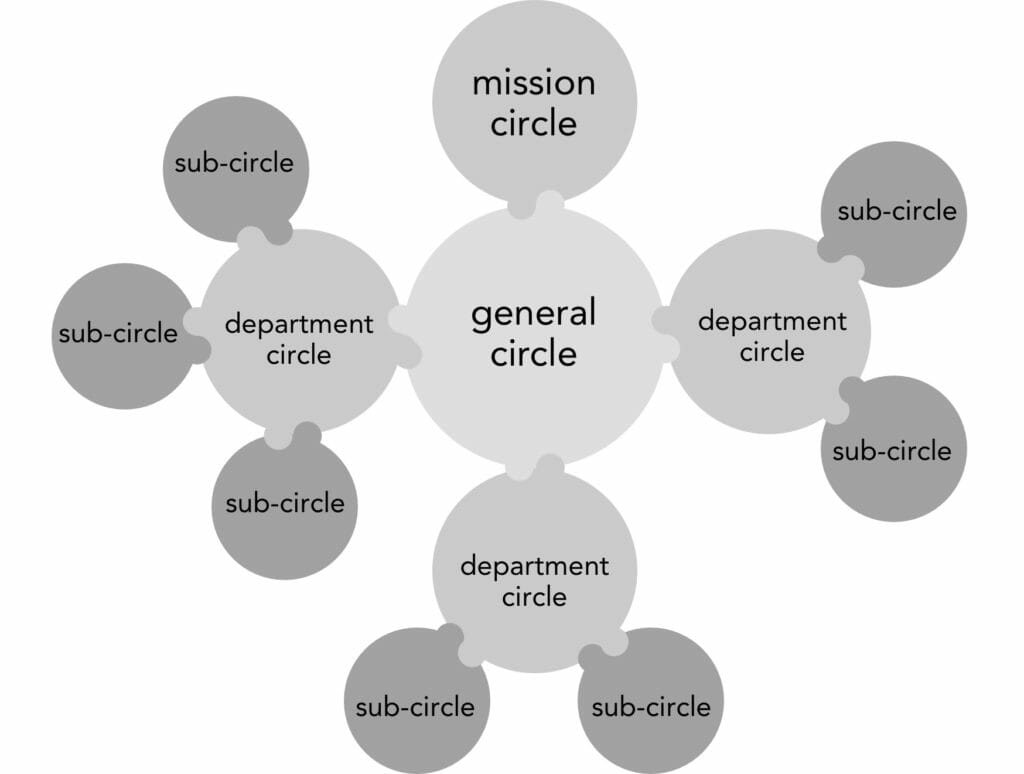
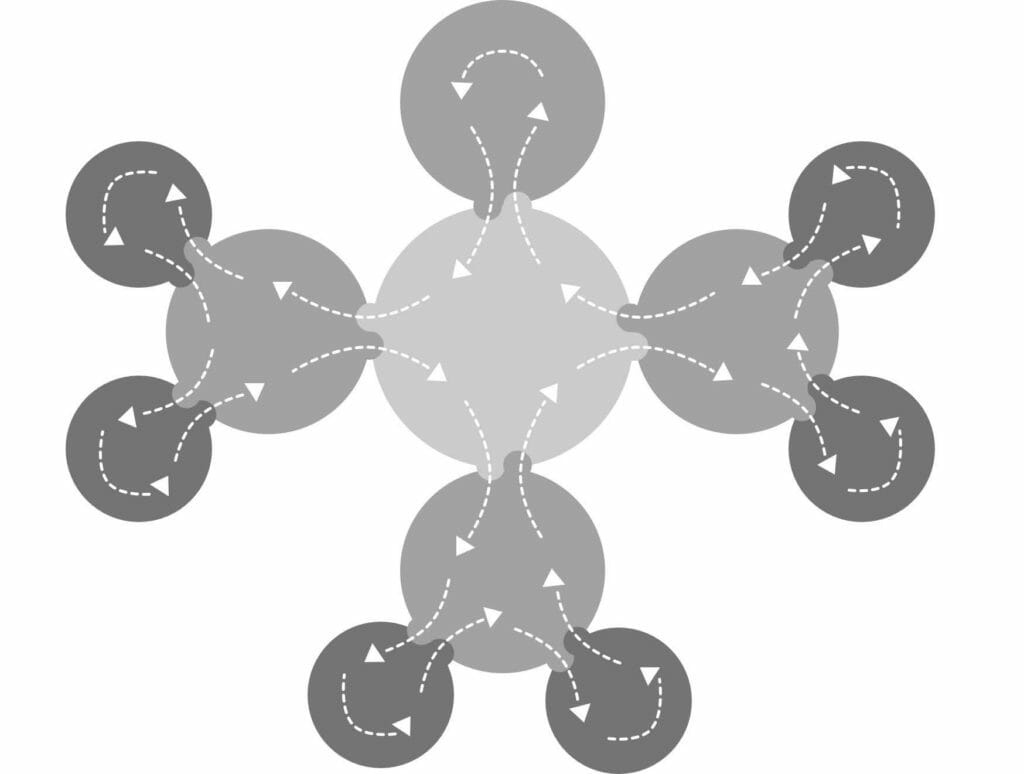
Work happens in semi-autonomous circles connected by a double-link (two people carrying information in each direction), so no voice is lost.
Continuous Feedback
No decision is set in stone. Policies are revisited, roles evaluated, and the organization learns and evolves through regular feedback loops.
When Listening Replaced Arguing: A UU Board’s Experience
Sociocracy originated in the Netherlands in the 1980s and offers a more inclusive, responsive structure for congregational decision-making. At the Unitarian Fellowship of Peterborough, board member Aukje Byker has seen firsthand how it changes the quality of conversation.
“Rather than a typical board meeting where people really try to make sure their point gets across and are arguing for that, we do much more listening — and so we’ve been able to always come to consensus even when it seemed at first that we had quite strongly held differences.”
— Aukje Byker, Unitarian Fellowship of PeterboroughDuring discussions, Peterborough’s board uses rounds — a structured practice where every member speaks in turn before open debate begins. When the congregation faced a contentious vote on relaxing COVID masking requirements, a board member with asthma raised a concern. Rather than being outvoted, her perspective prompted the group to pause, explore options, and wait until HEPA filters could be ordered. The decision was better for it.
The congregation continues to explore how sociocratic principles might extend beyond the board to the full congregational level — and beyond, potentially to national UU governance.
From Hierarchy to Sociocracy: What It Actually Looked Like
Rev. Sarah Prickett, Northwoods UU Church
On paper, a governance transition looks clean and linear. In reality, it isn’t. What mattered at Northwoods was finding practices they could try, learn from, and adapt — at a pace that people and relationships could support.
“There is always enough time for the right work.”
— adrienne maree brown, Emergent StrategyNorthwoods’ first real encounter with sociocracy came in February 2023, when nearly 100 participants used discernment circles to address a significant denominational question. Only a handful of facilitators were trained — but because the process was simple and teachable, it scaled without becoming complicated.
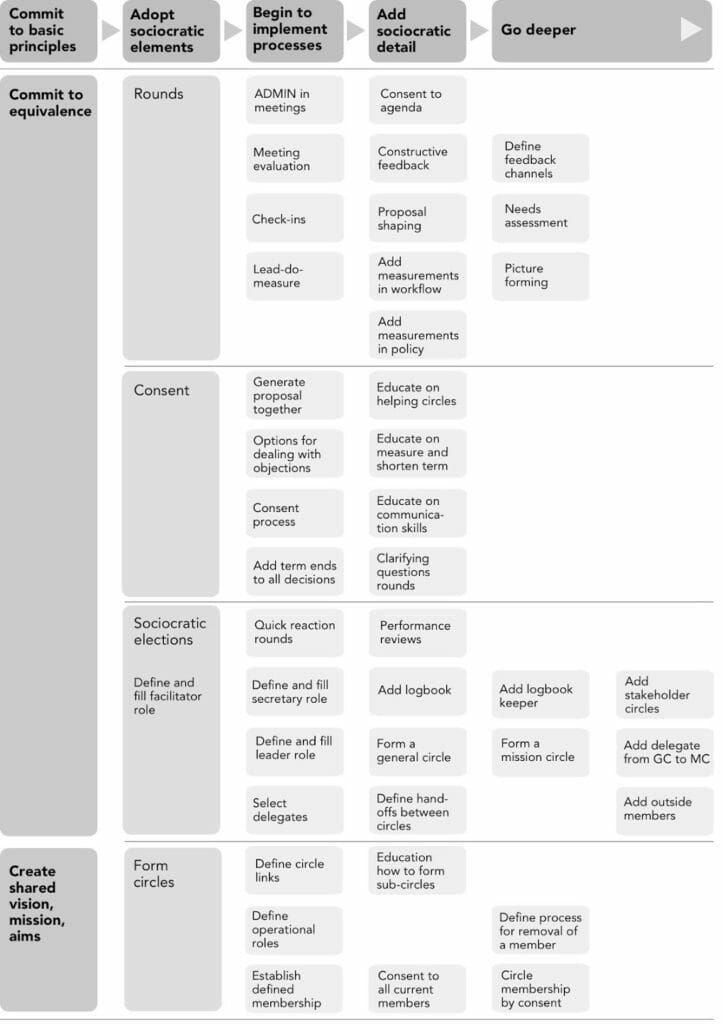
Over the following two years, groups experimented selectively. Uniformity wasn’t required. Practice, not theory, drove change. Bylaws took a year to revise — but that slowness prevented the congregation from locking in the wrong design. By 2025–2026, the board operates using circle processes, support structures are in place, and learning continues.
The lesson: practice precedes structure. Consistent shared practices create shared capacity — and trust deepens as people work this way together.
Resources from Northwoods will be shared following our panel event.
Contact: [email protected] | Schedule a conversation